Industry
Planning a backyard studio around trades, panels and one mini-split
What to raise with backyard studio builders early: the electrician queue, panelized walls, a mini-split's circuit and refrigerant limit, solar prep, warranties.
What to take away
- The electrician's calendar, not lumber price, is what moves your completion date.
- Most small studios now heat and cool from one mini-split, so the circuit gets sized at design stage.
- Panelized walls and factory-glazed units are normal at garden-office scale, and they punish late changes.
- Warranty documents have split into factory and site halves. Ask who covers the joint.
- Book trades the week your permit issues, and run conduit for solar while the walls are open.
The schedule is set by trades, not materials
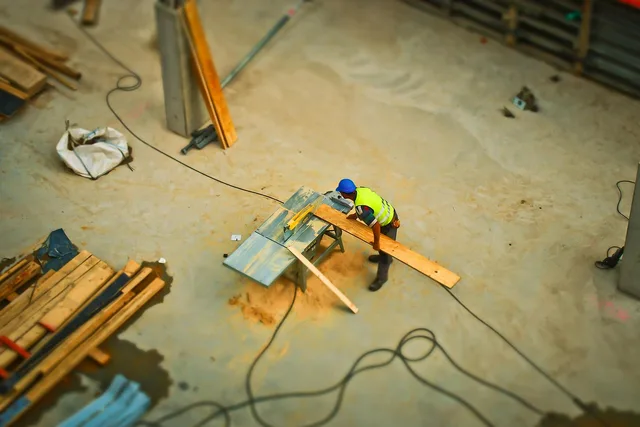
Lumber yards quote in days. Electricians quote in weeks. A studio needs one electrician for a day and a half, which is why it sits behind larger jobs in most queues.
Mobilization costs the same whether the job is a garden office or a house, and the revenue does not. That gap is the whole reason your framing inspection passes on a Tuesday and nobody wires it until the following month.
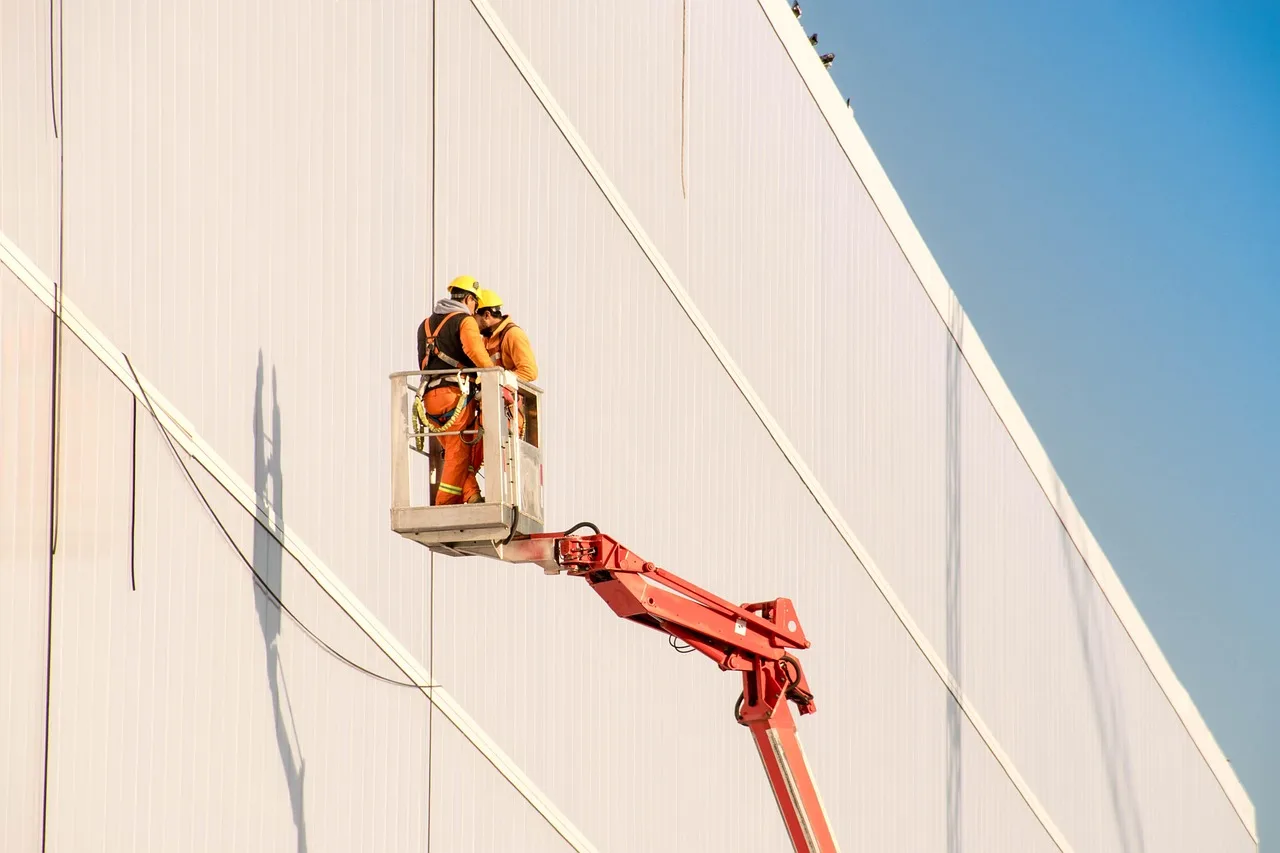
The Department of Energy funds buildings workforce development for efficient construction and retrofit skills, which is a reasonable read on where the shortages sit.
The practical response is to book trades before you break ground and to favour builders who keep electricians and carpenters on staff rather than bidding each job out.
Offsite construction has moved down to garden scale
Panelized walls, whether framed wall panels or structural insulated panels (SIPs), factory-glazed doors and pre-cut roof structures now show up on buildings under 400 square feet. The gains are square corners and a fast run to weather-tight.
The cost is rigidity. Once a wall panel is on the line, moving a window means cutting a finished product. Foundations also have to be accurate to a tolerance the panel supplier sets, not one your ground crew prefers.
That trade-off is the same one that separates panel systems from stick framing on any backyard studio.
Ask any builder two questions before signing: what percentage of this building is made off site, and what does a change after production starts cost me?
One mini-split is now the default, and that moves the wiring
A single ductless heat pump heats and cools most new studios. It beats a plug-in heater on running cost and comfort, and it changes the electrical scope from an afterthought into a line item.
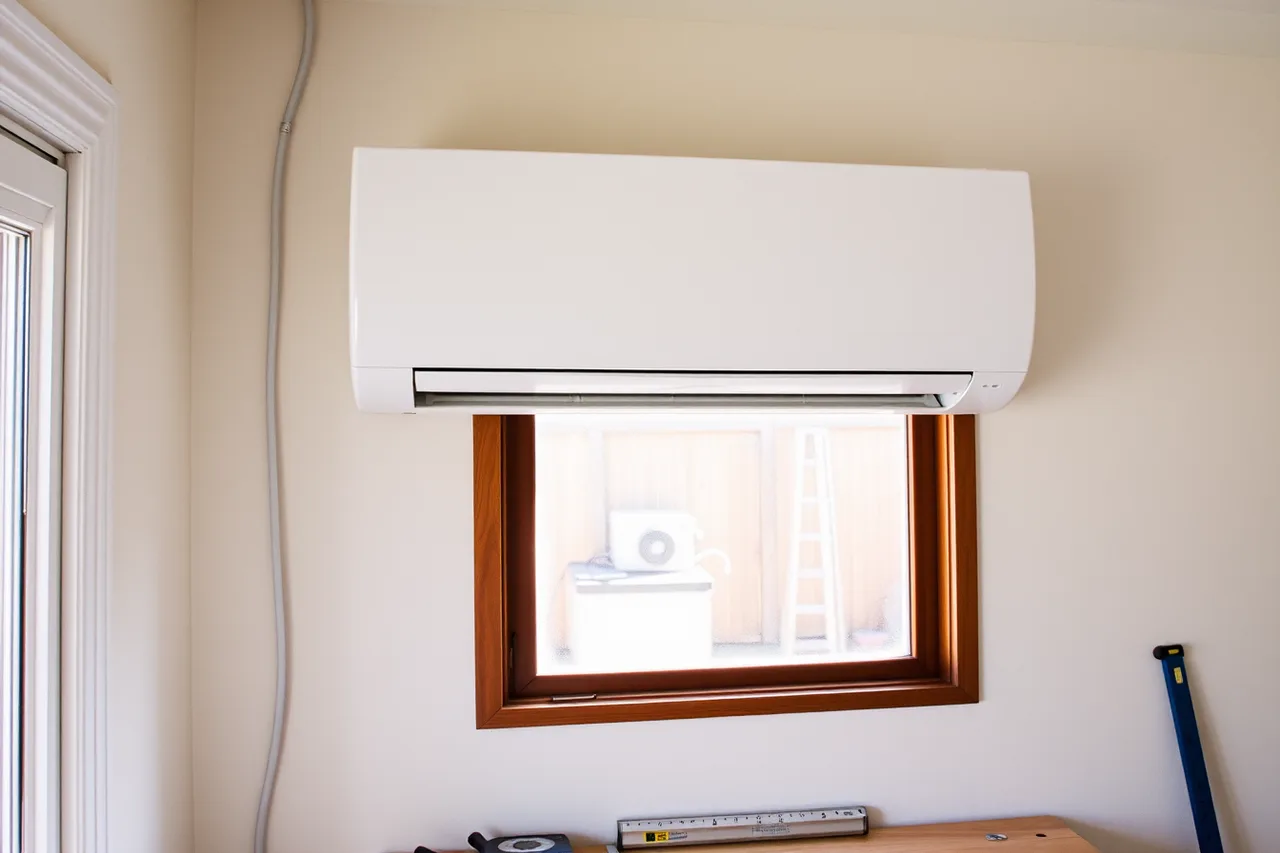
A mini-split needs a dedicated circuit sized for its rated load, a disconnect within sight of the outdoor unit, and a condensate path that does not dump water against the foundation. Your electrician confirms the circuit; your HVAC contractor confirms the line set and drain.
The refrigerant inside the unit has changed too. Under EPA's Technology Transitions rule, new residential air conditioning and heat pump systems, including mini-splits, face a refrigerant global warming potential limit of 700, with compliance dates starting January 1, 2025. Ask the builder which refrigerant the quoted unit uses and confirm it meets that limit, because older stock is the kind of item a low quote can hide.
If the main panel has no spare breaker positions, that is a service upgrade, and it is a utility conversation with its own timetable. Finding it in week two costs a phone call. Finding it in month four costs a season, and it belongs on the list of required upgrades that move a permit budget.
Solar requests are up, and the roof has to be ready
More owners ask whether the studio roof can carry panels. Sometimes it can. The variables are structural capacity, orientation, shading, interconnection rules and who maintains the array.
Rooftop solar is skilled work with its own hazards. OSHA covers falls, electrical risk and material handling in its guidance on solar energy work. Nobody should be on that roof without the training and the fall protection the authority requires.
If panels are a later phase, ask now for the roof to be designed for the load and for conduit to be run while the walls are open. Retrofitting either one means opening a finished building.
Warranty documents have split in two
Factory warranties cover the panel, the window unit or the heat pump. Site warranties cover the assembly. The gap between them is where disputes live.
Factory warranties on products such as the heat pump or window units fall under the federal Magnuson-Moss Warranty Act, which requires a written warranty on a consumer product to be titled either "full" or "limited". A "limited" title means the coverage falls short of at least one of the Act's standards, so check which one each product carries. The site warranty is whatever your contract with the builder says.
| Trend | What to ask before the deposit |
|---|---|
| Split factory and site warranties | Who covers the joint between them, in writing |
| Maintenance conditions | What routine care keeps the warranty valid, and who does it |
| Exclusions for owner-supplied items | What happens if you buy your own fixtures or the heat pump |
| Shorter defects periods | Does the clock start at delivery, completion or occupancy |
Read the exclusions page first. It is shorter than the coverage page and it decides most claims.
What to do with all this
Book trades the week the permit issues. Ask what share of the building is made off site. Settle the electrical scope before the foundation is poured, because the circuit, the disconnect and the conduit all live in the walls.
The build sequence shows when each decision has to be made, and the root causes of backyard mistakes show what deferring them costs.
Common questions
Are studio prices falling?
Headline material prices are not the useful number. Trade availability and scheduling affect small projects more than lumber does, and a two-month delay costs more than a modest material swing.
Is offsite construction always better?
No. It rewards a settled design and clear site access, and it punishes changes made after production starts. On a tight urban lot with a straightforward plan, it usually wins.
Should I plan for solar now even if I install later?
Yes, at least structurally and in conduit. Designing the roof for the load and running the pathway while walls are open costs little. Opening a finished building later does not.
How far ahead should I book trades?
As soon as the permit is issued, and earlier for electricians in busy markets. Your local building department confirms the inspection sequence; your builder confirms who is available.
In this guide
- How to vet a specialist backyard studio builder in 2027: a practical readChecks for design-build studio companies: portfolio verification, in-house versus subcontracted trades, what turnkey excludes, and public enforcement records.
- Which studio builder upgrades earn their price, and which are marginHow to read a studio builder's upgrade sheet: which tier changes matter, which are margin, and the questions that turn a sales list into a specification.
- Aftercare questions to ask backyard studio buildersAftercare questions to ask backyard studio builders: warranty start dates, handover files, maintenance conditions, roof access and service visits.
- How to Question Backyard Studio Builders' Spec SheetsWhat to ask backyard studio builders about each line of a standard spec: window ratings, R-values, air barrier tests, low-emission finishes, codes and permits.