Industry
Part of Batt, foam or board: comparing studio insulation systems on upkeep
Studio insulation lessons: what goes wrong when nobody checks first
Real insulation failures in backyard studios: gaps and compression, vapor control on the wrong side, foam applied over damp timber, and hot work near foam.
What to take away
- The most common failure is installation quality, not product choice.
- Vapor control on the wrong side of an assembly causes damage that takes two years to appear.
- Insulating over a wet problem hides it. The water does not go anywhere.
- Hot work near foam insulation is a genuine fire risk, not a theoretical one.
Lesson: the batts were installed to look tidy
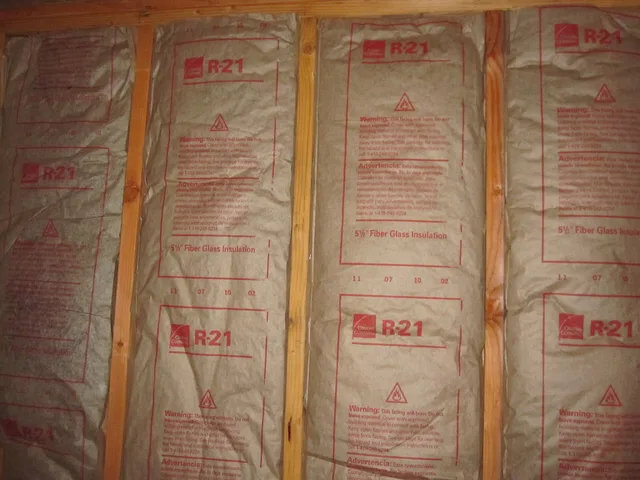
A studio was insulated neatly, with batts cut slightly small so they slotted in without bulging. The result looked immaculate and performed poorly, because a quarter inch gap at the edge of every cavity is a continuous air path.
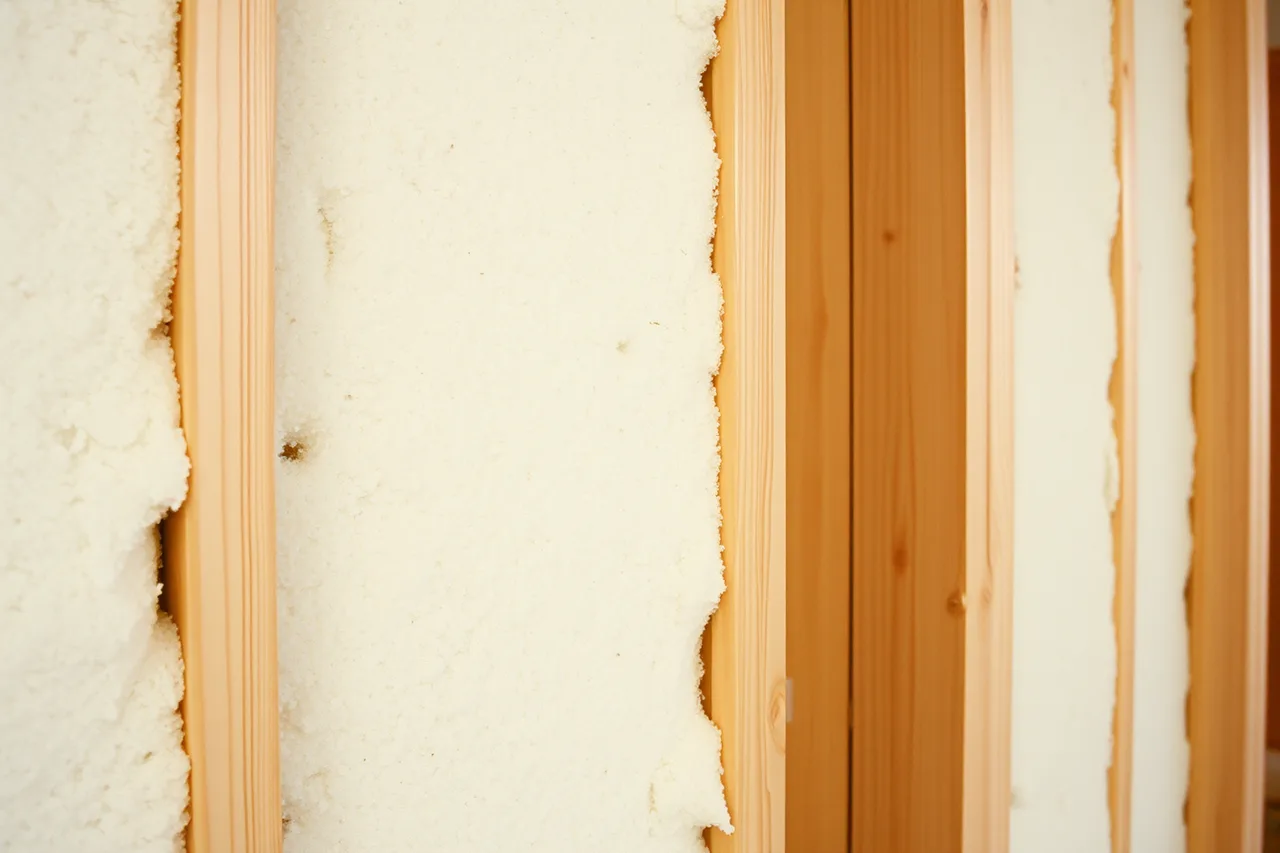
The correct installation is full contact, split around wiring rather than compressed behind it, and cut slightly oversize so it fills the cavity completely. Photograph every bay before it is covered.
Lesson: the vapor control layer went on by habit
An owner in a hot, humid region installed a sheet vapor barrier on the inside face because that is what a relative did in a cold climate. The assembly could no longer dry inward, moisture collected at the sheathing, and the damage appeared two seasons later.
Vapor control is climate specific and assembly specific. Get local advice, and be suspicious of any rule of thumb that travels between regions without conditions attached. Whether a builder really designs for your region comes down to a short list of questions.
Lesson: the foam went over damp framing
Spray foam over wet timber traps the moisture. The room felt better immediately and the framing kept deteriorating out of sight.
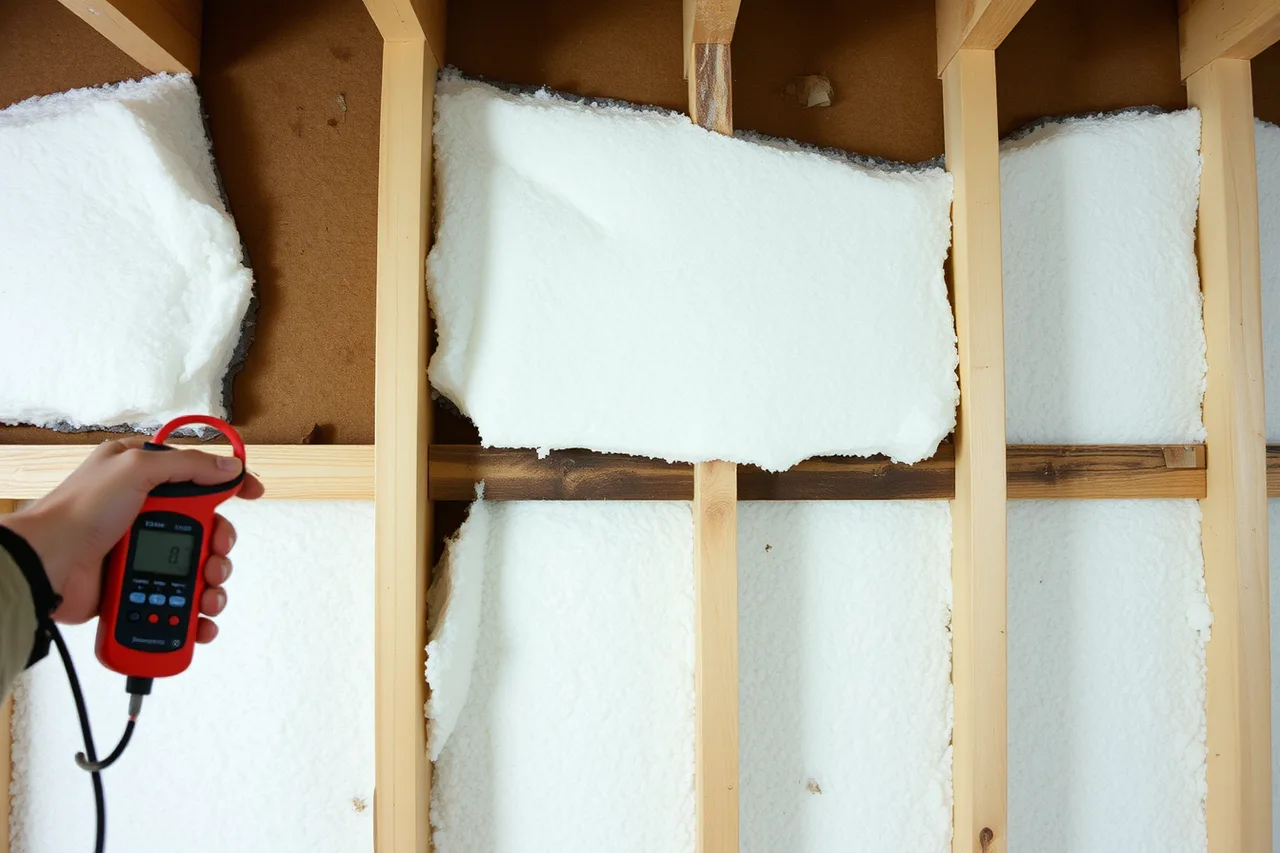
Foam is not a moisture fix. Find and correct the water source, let the structure dry, verify it with a meter, and only then insulate.
Lesson: someone reacted to the work
An owner stayed in the house during a foam installation and afterward developed breathing symptoms. Isocyanates and several other construction materials are recognized causes of work related respiratory illness, and OSHA's overview of occupational asthma describes how sensitization can develop after exposure and persist afterward.
Practical response. Vacate for the application and for the manufacturer's stated re-occupancy period, keep the house closed and mechanically ventilate the studio, and be careful about who returns first, especially anyone with existing respiratory conditions.
Lesson: hot work happened near finished insulation
A contractor did a small brazing job on a refrigerant line after the foam was in place. Nothing caught fire, but it easily could have. OSHA's overview of welding, cutting and brazing treats fire prevention, ventilation and the condition of the surrounding area as core requirements rather than optional care.
The rule for a small studio: no hot work near foam or loose fill without shielding, a cleared area, ventilation and a fire watch. Sequence the refrigerant work before the insulation where possible.
The common thread is timing. Every one of these failures came from doing something in the wrong order rather than from choosing the wrong product, and reordering the work costs nothing while it is still on paper. Organizing the build around its inspection gates is what keeps that order from slipping.
What consistently works
| Practice | Effect |
|---|---|
| Air seal before insulating | The single largest performance gain |
| Photograph every bay | Proof, and a map for future work |
| Verify dryness before covering | Prevents hidden rot |
| Ask about vapor control locally | Prevents the two year failure |
| Sequence hot work first | Removes the fire risk entirely |
Most of these failures are also on the list of common backyard building defects, and the system comparison shows which products are most sensitive to poor installation.