Maintenance
Part of Backyard studio makeovers: what to keep and what to drop
Backyard Studio Makeovers: Common Regrets and Build Order
Backyard studio makeovers can go wrong when owners keep a poor shell or finish before fixing the enclosure. Learn permit checks and a sound build order.
What to take away
- The biggest regret in backyard studio makeovers is renovating a shell that should have been replaced.
- The second is spending on surfaces while the enclosure stayed cold and leaky.
- People rarely regret opening a test area first. They regularly regret skipping it.
- Free, competent advice existed, and most owners found out about it afterward.
Regret: we renovated something that should have gone
The pattern is consistent. The shell was low, shallow walled and sitting on damp ground. The makeover made it look excellent and it still felt cold, cramped and slightly damp.
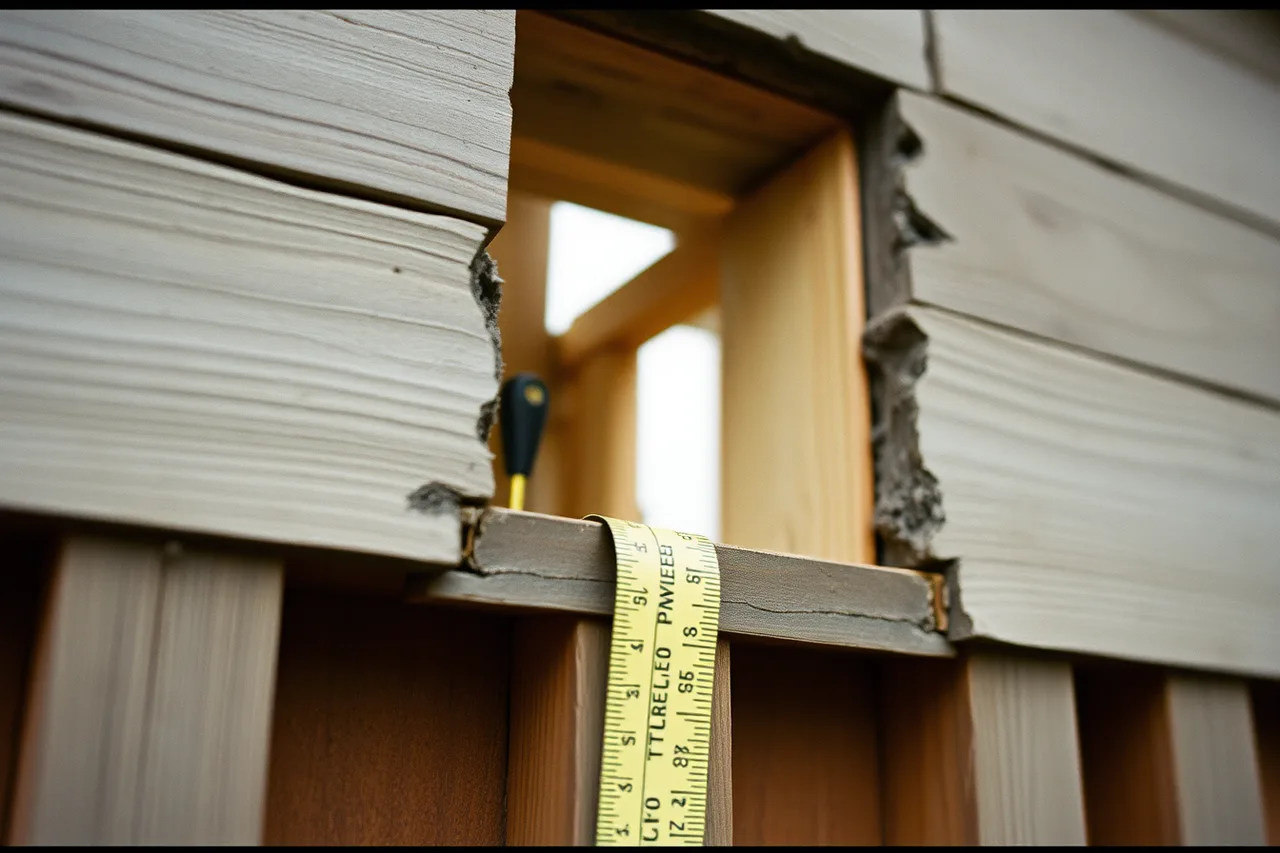
The test that would have prevented it takes an hour: open a small area low on a wall, probe the timber, measure the ceiling height and check the wall depth. Look for soft or decayed wood, staining and signs of persistent dampness; a moisture-meter reading has to be interpreted for the material and conditions, so there is no universal cutoff. If the framing is wet, the walls too shallow to insulate and the ceiling low, the honest answer is replacement.
Regret: we spent the money on what we could see
Interior cladding, flooring and paint are satisfying and visible. Insulation, air sealing and a properly sized heat pump are none of those things, and they are what decides whether the room is usable in February. Check the locally adopted energy code for insulation requirements; targets vary by climate zone and assembly. Have heating and cooling capacity based on a room-by-room load calculation, such as ACCA Manual J, rather than choosing equipment by guesswork.
Order owners wish they had used
- Drainage
- Structure
- Air sealing
- Insulation
- Services
- Finish
The ordering that owners wish they had used: drainage, structure, air sealing, insulation, services, then finish. Where to spend first inside that ordering is air sealing, then the roof. Finishes can be upgraded later at any time. The enclosure cannot.
- Drainage and foundation:Direct runoff away from the studio and address wet or unstable ground before building. A slab or piers may suit different sites; choose a foundation based on soil, slope, frost conditions, loads and local requirements.
- Structure:Repair or replace unsound framing and confirm that the shell can support the planned openings and finishes. Arrange any required framing inspection before covering the work.
- Air sealing:Seal gaps and penetrations in the enclosure before adding insulation, while keeping required ventilation provisions intact.
- Insulation:Insulate the walls, roof and floor as the design and local energy code require. Check the code for the assembly and climate zone rather than assuming one target fits every studio.
- Services:Complete permitted electrical, plumbing and mechanical work, and have required inspections before concealing it. Size heating and cooling for the room and its enclosure.
- Finish:Close the walls and install interior surfaces only after required inspections and enclosure work are complete.
Regret: we started without checking permits and inspections
Start with the city or county building department—the local authority having jurisdiction (AHJ)—before opening walls or ordering a foundation. Ask whether the project needs a building permit or an accessory-structure permit. Size, height, location and intended habitable use can affect the requirements; there is no single nationwide application or set of thresholds, so ask which local application applies and what rules govern the site.
If the work adds or changes wiring, plumbing or mechanical equipment, ask whether separate electrical, plumbing or mechanical permits are required. Request the inspection schedule before work begins. Common hold points, where required, include the foundation before concrete is placed or covered, framing before insulation or drywall, electrical work before it is concealed, and a final inspection before the studio is used. Keep the approved plans, permits and inspection approvals with receipts and product information, and do not cover work before a required inspection.
Regret: we planned the room but not its workplace use
If someone else will work in the finished room, plan its intended use and safe access before construction. Small employers can use OSHA's on-site consultation program, which is separate from enforcement and offers workplace safety guidance without triggering citations.
Owners tend to find out about that after an incident rather than before.
Regret: we committed before checking whether the studio fit its purpose
Where the makeover exists to support a business, the room is only one variable. Owners who spent heavily on a studio and then discovered the constraint was elsewhere describe that as the most expensive lesson.
Free mentoring exists for exactly that conversation. The Small Business Administration supports SCORE business mentoring, which offers volunteer mentors to small business owners, and an hour there before committing to a build is cheap insurance.
One more pattern is worth naming. Owners who did the work in stages over two or three seasons rarely regret it, provided each stage ended weather tight. Those who stopped with a wall open regret it every time.
What owners say they would change
| Regret | What they would do instead |
|---|---|
| Renovated a poor shell | Test opening first, then decide honestly |
| Finishes before enclosure | Air seal and insulate first, always |
| Skipped the permit | Legalize before starting, not after |
| No records kept | Photograph every layer, file everything |
| Kept the old door and windows | Replace during the makeover, not later |
| Did licensed work informally | Hire it, permit it, inspect it |
Replacing the door and the glazing while those openings are already disturbed is one of the moves that add usable space without extending.
The recurring theme
Almost every makeover regret is about sequence and honesty. Sequence, because opening a surface twice doubles the cost. Honesty, because a shell that is not worth renovating does not improve because you already own it. The repair order that works is the practical version of that, and the test opening is where the honest answer comes from.