Features
Part of Backyard studio makeovers: what to keep and what to drop
Discoveries, not the calendar, decide a backyard studio makeover timeline
How long a backyard studio makeover really takes, stage by stage, including the discoveries that stop the clock and the weather that decides when work can happen.
What to take away
- A straightforward makeover runs six to fourteen weeks. Discoveries are what stretch it.
- Do the assessment and permits before demolition, because opening a wall commits you.
- Deliveries and a dumpster turn your street into a small work area for a few days.
- Cold weather work needs heat, and temporary heating brings its own hazards.
Stage by stage
| Stage | Typical duration | What decides it |
|---|---|---|
| Assessment and test opening | 3 to 7 days | Access, how much you open |
| Permit questions and application | 1 to 8 weeks | Whether the use changes, jurisdiction backlog |
| Strip out | 2 to 5 days | Size, what is behind the lining |
| Structural and drainage repairs | 1 to 3 weeks | What the strip out revealed |
| Services rough in and inspection | 1 to 2 weeks | Trade availability, inspector queue |
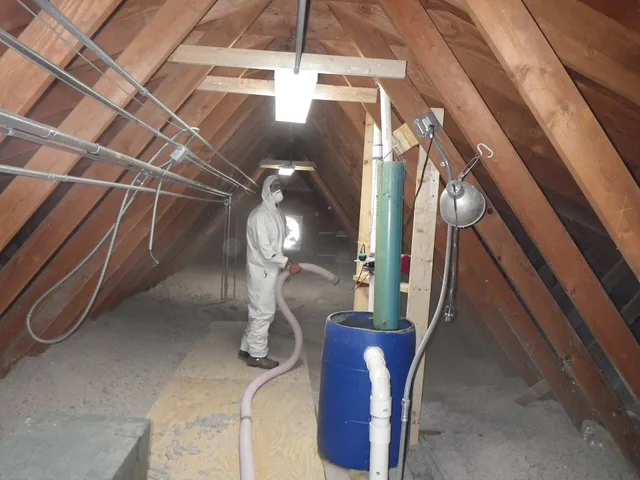
| Insulation and air sealing | 3 to 6 days | Product, access, whether foam is used |
| Interior finish and commissioning | 1 to 3 weeks | Decisions, lead times, drying conditions |
Whether the use changes is what decides that second row, and it is a question worth asking before anything is booked.
Discoveries are the real variable
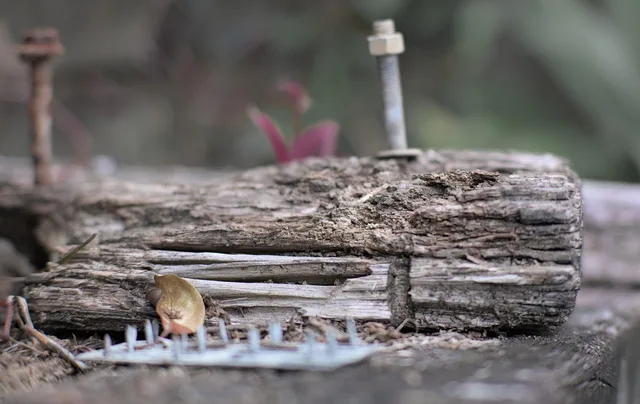
Strip out rewrites the schedule. Rot in a bottom plate, undersized framing, wiring of unknown origin, or damp under the floor can turn a two week job into a six week one.
Every build stage has its own failure pattern, and knowing which one to expect at each stage turns a discovery into a planned allowance.
Discovery can double the schedule
Planned
- Strip out
- 2 to 5 days
- Repairs
- 1 to 3 weeks
- Total
- 2 weeks
With discovery
- Strip out
- 2 to 5 days
- Repairs
- 1 to 3 weeks
- Total
- 6 weeks
Build it into the plan instead of treating it as bad luck. Hold contingency time as well as contingency money. Do not book finishing trades until the strip out is complete and the repairs are scoped.
A strip out that exposes a wet, shallow shell is also the moment to weigh the regret owners name most often, which is renovating something that should have gone.
Deliveries and the dumpster
For a few days your driveway or street carries a dumpster, delivery vehicles and people walking past. That is a small work area you have created, and it is worth treating as one.
OSHA's work zones and the use of signs, signals and barricades material exists because mixing vehicles, workers and pedestrians needs deliberate control, not good intentions.
For homeowners, place the dumpster where it does not block sight lines. Mark it and keep the walking route clear.
Agree a reversing plan with the driver, and keep children and pets indoors while vehicles are moving.
Working through cold weather
Winter makeovers are common because the room is not in use. They also depend on temperature: adhesives, sealants, paints and drywall compounds all have minimum application conditions, and a cold shell without insulation does not hold heat.
If a fuel fired temporary heater is used, treat the fuel as part of the job. Cylinder handling, storage and connection all matter, and OSHA's overview of compressed gas equipment sets out why cylinders are secured, kept upright and inspected. Add ventilation and a carbon monoxide alarm, and never leave an unvented heater running in a closed small room.
Build the schedule backward
- Pick the date you want to use the room.
- Subtract commissioning, finish, insulation, services, repairs, strip out, permits and assessment.
- Add a quarter of the total as buffer.
- Order long lead items as soon as the scope is settled.
- Book inspections early, since inspector availability often sets the finish date.
Run this beside the insulation checklist so the insulation gate is not the thing that slips, and let the test opening findings set the repair allowance before you commit to a date.