Rules
Part of Studio sheds: what to check on a shell before you convert
Studio sheds: what to check when hiring a contractor
A practical guide to hiring for studio sheds, with credential checks, contractor questions, reference calls, payment milestones, lien waivers and site safety.
What to take away
- Verify the license number with the issuing board yourself. A photo of a card proves nothing.
- Ask for a certificate of insurance sent directly by the insurer, naming your address.
- Reference calls are only useful if you ask about problems, not about satisfaction.
- Never let the payment schedule get ahead of the work. That is the single best protection you have.
Verify, do not trust
Three documents matter, and all three should come from a source other than the contractor.
Three documents to verify
- License number on state or county board site
- Insurance certificateliability and workers comp
- Business registration name matches contract
- Check license class covers the work
- Confirm policy current during build dates
- License.Rules vary by state, and a studio shed is not automatically exempt because it is small; whether a license is required depends on local rules and the work involved. Use the official state contractor-license lookup and confirm the license class covers the shed and foundation work, as well as any separately licensed electrical or plumbing work. Examples of state agencies are the California Contractors State License Board (CSLB) and the Arizona Registrar of Contractors (ROC); elsewhere, use the agency for your state. Check that the license is active and review any complaints on file.
- Insurance.Ask the agent to send a certificate showing general liability and, where the contractor has employees, workers compensation. Confirm the coverage applies to your project and is current for the dates you will be building.
- Business registration.Match the legal name on the contract to the name on the license and the insurance. Mismatches are common and they matter if you ever need to make a claim.
Where crews carry safety training cards, understand what they mean. OSHA's page on obtaining an OSHA card explains that the outreach cards record completion of a training course rather than any certification of a worker or a company, and it warns about fraudulent cards sold online.
Questions that produce real answers
- Who will physically be on my property, and are they your employees or subcontractors?
- Who submits the permit application, and whose name is on it?
- Does the bid spell out site preparation, drainage, the foundation, anchoring, framing, roofing and insulation?
- What foundation is included, and who is responsible for confirming site conditions and inspection requirements?
- If the studio will be conditioned or wired, what insulation and electrical work is included, and who handles any required trade permits?
- What is specifically excluded from this price?
- What happens to the schedule if the permit takes six weeks instead of two?
- How do you handle a change, and what does a change order look like on paper?
- What is your warranty, in writing, and what voids it?
For a studio shed, confirm the permit path with your local building department before work begins. Ask who submits the building permit application and plans, requests inspections, and obtains final approval; the names of forms and documents vary by jurisdiction. If the contractor asks you to pull the permit, get the division of responsibility in writing and confirm the arrangement with the building department.
Contractor vetting questions
- Who is physically on my property?
- Employees or subcontractors?
- Who pulls the permit and whose name?
- What is excluded from this price?
- What if the permit takes six weeks?
- How are change orders handled on paper?
- What is the written warranty and what voids it?
Reference calls that are worth making
Ask for two recent addresses and one from three or more years ago. Then ask questions that invite a real answer: What went wrong, and how did they handle it? Did the final price match the contract? Was the site left safe at the end of each day? Would you use them for something with a deadline?
A contractor with no problems in their history has either done very few jobs or is describing them selectively.
Money and paper
Put the payment schedule against milestones you can see: permit issued, foundation poured and inspected, shell dried in, rough inspections passed, finish complete, final sign off. Hold a meaningful final payment until the punch list is closed.
Also agree on lien waivers from subcontractors and suppliers as payments are made. Ask whether the project will use conditional or unconditional waivers, and progress or final waivers; required forms vary by state. Confirm who provides each signed waiver and when, alongside storage and delivery arrangements, working hours, site cleanup, and responsibility for damage to fences, irrigation and paving.
Safety is a scope question, not a courtesy
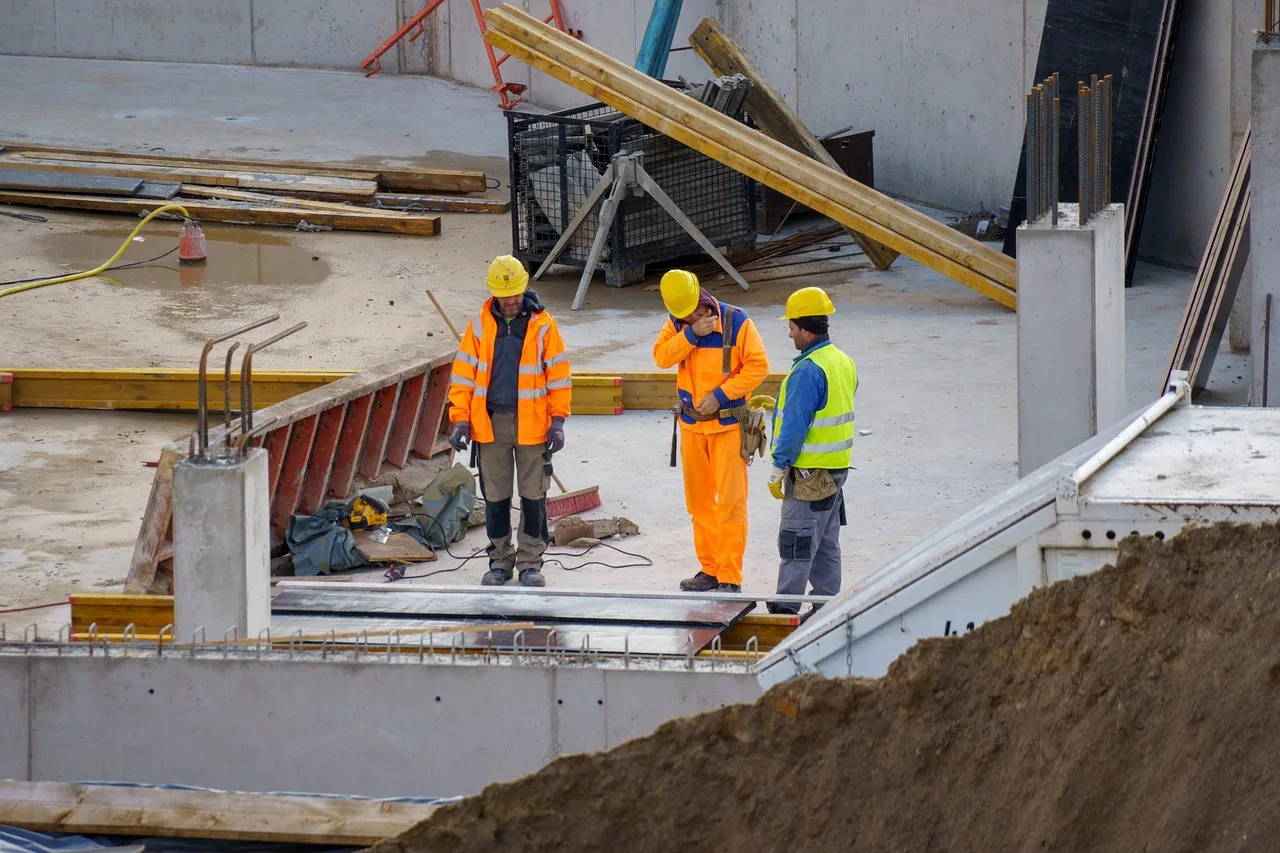
When a crew works on your property, obligations follow the employer. The Labor Department's safety and health topic page sets out where those employer duties come from. For a shed build, ask how the contractor will manage ladders, fall protection and electrical hazards under applicable OSHA construction requirements, and who supervises those controls, before the first day rather than after an incident.
If you are also doing part of the work yourself, agree in writing who controls the site on which days and who coordinates inspections and trade work. Mixed responsibility is where accidents and arguments both start. Use the broader project planning path to coordinate the contractor's work with your own.