Maintenance
Why do the same backyard building mistakes keep happening
Backyard building mistakes recur when owners skip planning, copy neighbors, ignore build order, do regulated work improperly, or fail to coordinate trades.
What to take away
- Most backyard mistakes come from treating a building as a purchase rather than a project.
- Copying what a neighbor got away with is the single most reliable route to a problem.
- Doing work that local law reserves for a licensed trade without the required license is not a shortcut. It defers the cost and adds risk.
- Nobody is checking. On a professional site somebody would be, and that is the gap.
Cause one: the building was bought, not planned
Many backyard building mistakes start when a studio arrives as a product photograph with a price. That framing skips the questions that matter: what the room is for, what the lot allows, where water goes, how power arrives, and what the finished total is.
The symptom is familiar. A deposit is paid, then the zoning answer arrives, then the design has to change, and the deposit is not refundable. Order the purchase last, after the rules and the site are understood.
Cause two: someone copied a neighbor
The neighbor's shed is the most quoted authority in backyard construction and the least reliable. Their structure may predate the current rules, sit on a different lot classification, have a permit you never saw, or be quietly non compliant.
Rules apply to specific facts rather than general impressions. The same written words can produce different answers for different lots, uses, and construction dates. Ask your local building department (and zoning office, if separate) whether a building permit is required, which locally adopted building code and amendments apply, and whether zoning review affects the proposed site. For residential structures, the applicable code may be an adopted edition of the International Residential Code (IRC). Ask whether electrical or plumbing permits and inspections are required, and keep the address-specific reply.
Cause three: the sequence was ignored
Backyard projects go wrong in a predictable order.
- Confirm the intended use, zoning and site limits, applicable code, and permit requirements before ordering the building or starting site work.
- Prepare the site and drainage, then install the foundation; request any required foundation inspection at the stage specified by the local building department.
- Frame the structure and install the roof, water-management layers, and flashing.
- Run electrical or plumbing services and request any required rough-in inspections before covering the work.
- Insulate and enclose the structure, complete the finishes, and request a final inspection if required.
Use the permit's inspection requirements to determine when to request each inspection. Local rules set the required stages, and inspections generally need to happen before the work they cover is concealed.
Correct order of work
- Find water problems first
- Detail flashing before cladding
- Inspect before closing walls
- Set service routes before concrete
- Finish enclosure before equipment
Skipping a checkpoint can turn a small correction into reopening finished work. Drainage, flashing, and concealed services are harder to fix once later stages cover them, which is why the order matters on finished builds.
Cause four: licensed work was done unlicensed
OSHA's general electrical requirements at 1910.303 are workplace safety rules, not homeowner licensing requirements. For electrical work on a backyard studio, check the locally adopted National Electrical Code (NEC, NFPA 70) and local permit and licensing rules. Where local law requires it, feeder circuits and panel work must be done by a licensed electrician and inspected under the electrical permit before concealment. Faults can cause fire or shock.
Tree work is another example: removing a tree to make room for a studio is more than a chainsaw problem.
Tree removal has hazards that call for an insured arborist, especially when the tree is near a house.
Cause five: nobody was checking
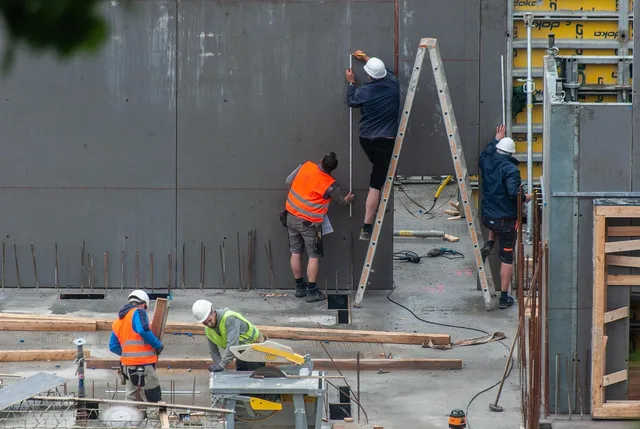
On a professional site, one person spots problems and stops work, but in a backyard that role is usually vacant. Trades arrive, do their part, and leave.
Nobody checks the seams between trades, where failures live. Asking each trade who protects their work until the next one arrives is how a professional site closes that gap.
| Root cause | What it produces | The counter |
|---|---|---|
| Bought, not planned | Wrong size, wrong place, lost deposit | Rules and site first, purchase last |
| Copied a neighbor | Setback or permit problem | Ask your own authority in writing |
| Sequence ignored | Rework and failed inspections | A written order of work |
| Unlicensed licensed work | Fire, shock, resale problems | Hire it, permit it, inspect it |
| Nobody checking | Failures between trades | Name one responsible person |
Reading the build sequence beside the ways projects drift off track covers most of what goes wrong before it happens.
Common questions
Is one cause more common than the others?
Can I fix a mistake after the fact?
Why do the same mistakes repeat?
What single habit prevents the most?
In this guide
- Backyard building mistakes: checks before repairing an old oneBackyard building mistakes in older structures start with skipped checks: water, informal wiring, lead paint and asbestos sheet, and who to call.
- Backyard building mistakes: how to settle the use labelBackyard building mistakes start with the use label: storage, accessory structure or dwelling? Ask the planning office and get the answer in writing.
- Inward doors and afterthought ceilings ruin small backyard roomsThe layout errors that make a small backyard room unusable, from inward doors to no clear wall, plus the under-floor access mistake nobody plans for.
- Backyard building mistakes: warning signs to watchBackyard building mistakes in a studio include missed permits, uninsured crews, unrecorded changes, and repairs that hide drainage or ventilation problems.
- Backyard build mistakes: the stage where each one is most likelyBackyard build mistakes cluster at predictable stages, from the brief through handover. Here is what goes wrong at each one and the check that catches it.