Costs
Part of Batt, foam or board: comparing studio insulation systems on upkeep
Studio insulation systems: quote parts and spend order
Studio insulation systems for a backyard studio: split a quote into material, labor and preparation, price air sealing on its own, and see the spend order.
What to take away
- Ask for studio insulation systems to be quoted in three parts: material, labor and preparation.
- Budget air sealing as its own line. It is cheap, it is skilled, and it is usually left out.
- Labor and access dominate the price of retrofit work; material dominates new construction.
- Order the spendair sealing, then roof, then walls, then floor.
- A quote priced by area alone tells you nothing about how well it will be installed.
Split the number properly
Insulation quotes hide three different things.
New Build vs Retrofit Cost Split
New construction
- Material
- Large share
- Labor
- Fast, lower
- Preparation
- Minimal
- Quote spread
- Narrow
Retrofit
- Material
- Smaller share
- Labor
- Slow, dominates
- Preparation
- Dominates
- Quote spread
- Substantial
- Material.Reasonably predictable per unit area, and the part homeowners fixate on.
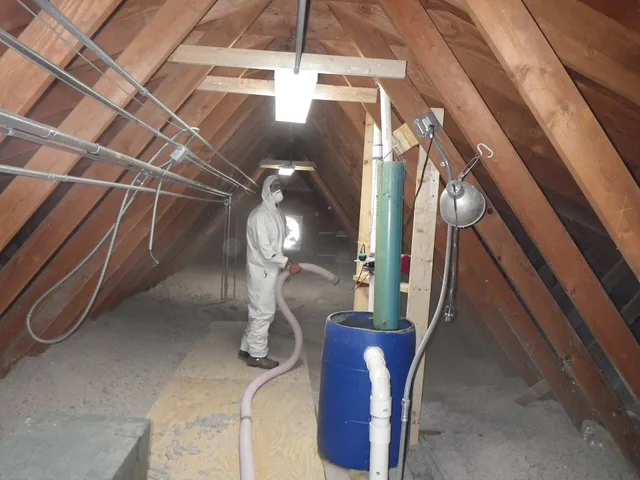
- Labor.Varies enormously with access. Insulating open framing during construction is fast. Insulating a finished building, a low crawl space or a shallow roof is slow.
- Preparation and making good.Air sealing, blocking, protecting the rest of the property, cleanup and disposal.
In new construction with open framing, material is a large share. In a retrofit, labor and preparation usually dominate, and two quotes for the same product can differ substantially for that reason alone.
A backyard studio is not a house in miniature. It is often a single room on a slab, with a shed or gable roof and a small conditioned volume, so ceiling insulation and air sealing carry more of the load while there is less wall and floor area to absorb the spend.
What the building has to meet is set locally. Your building department enforces the energy code it has adopted — in many places the International Energy Conservation Code (IECC) — and the levels it requires change with climate zone. Ask which edition and zone apply to your permit before you compare quotes, because that is the target every installer is pricing against.
The building department that issues your permit is the authority for both answers: it can tell you which edition of the energy code it enforces, and the zone answer comes from the IECC climate zone map in that code. Settle both before you compare totals.
The systems behind the quote
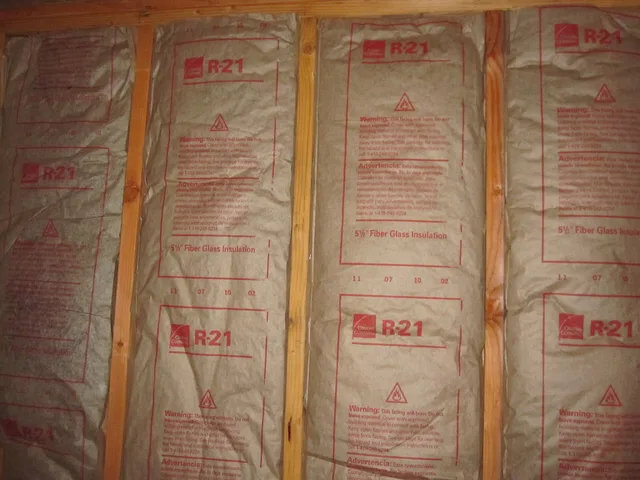
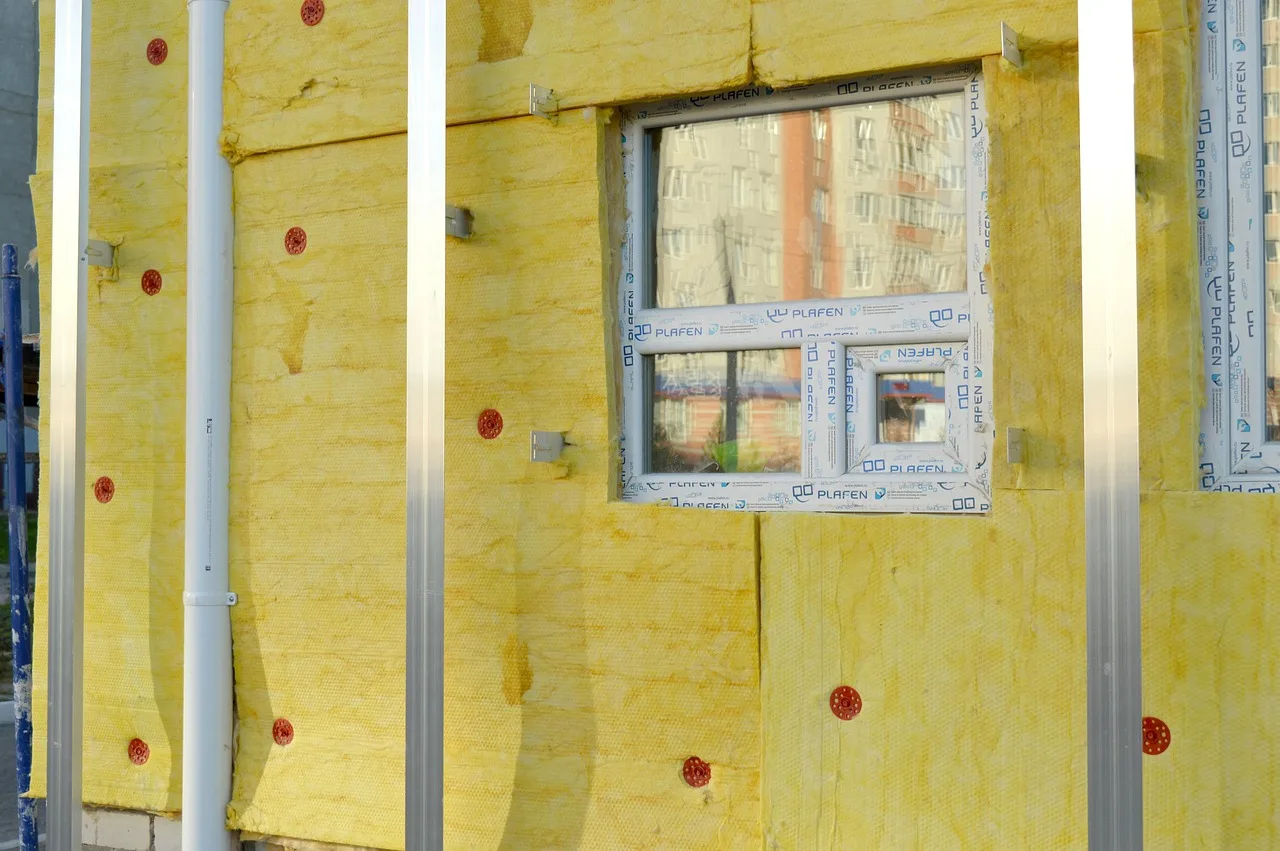
Every studio quote prices one of a handful of systems, and the system drives both the material and the labor line. In open framing you will see fiberglass batts, mineral wool batts and spray foam. Rigid board — polyiso, extruded polystyrene (XPS) and expanded polystyrene (EPS) — goes on as continuous insulation outside the framing or into tight cavities.
Batts are the default in open framing and the most forgiving of an imperfect install. Mineral wool batts handle moisture and fire better. Closed-cell spray foam insulates and air-seals in one pass, which is why it is quoted where sealing is awkward; open-cell is softer and needs its own air sealing line. Rigid board adds a continuous layer that breaks the thermal bridge through the studs. Ask which system is being quoted, and in which parts of the assembly, before you compare totals.
The air sealing line
Ask for air sealing to be priced separately: sealing at the sill and top plate, around penetrations, at sheathing joints and at window and door perimeters. It is inexpensive relative to its effect and it is the work most likely to disappear into a lump sum and then not happen.
Air Sealing Line Items
- Sill and top plate
- Around penetrations
- Sheathing joints
- Window perimeters
- Door perimeters
If a contractor cannot describe what air sealing they will do and where, they are quoting insulation only.
Where the material comes from
Availability drives price and schedule. Specialist products, particular board thicknesses, and some mineral wool densities are ordered, not stocked. Lead times move with demand.
Building material supply is its own industry. OSHA describes it in its overview of the lumber and building material dealer trade. Your contractor's relationship with a supplier is part of what you are buying.
Ask what is in stock locally and what has to be ordered before you finalize a specification with a fixed installation date.
Paying for skill
The gap between a good and a poor insulation installation is larger than the gap between products. Trained crews cost more and are worth it, particularly for board detailing and air sealing. The failures that follow a poor installation are almost all quality problems rather than product ones.
Structured training exists in these trades. The Labor Department's apprenticeship hub gathers the policy, data and programs behind registered apprenticeship, and a contractor who trains people that way is usually running a more consistent operation than one hiring day labor for each job.
Ask what happens to the price if access turns out to be worse than expected. A crawl space that is six inches shallower than assumed, or a roof void with no safe standing, can change a day's work into three. Designing proper access under a raised floor is cheap at framing and miserable to retrofit.
Spend in this order
| Priority | Item | Reason |
|---|---|---|
| 1 | Air sealing | Largest effect per dollar |
| 2 | Roof or ceiling | Where most heat moves in a small building |
| 3 | Walls, including thermal bridging | Comfort and condensation control |
| 4 | Floor | Matters most over a vented crawl space |
| 5 | Extra depth anywhere | Diminishing returns after the basics |
If money runs short, cut depth rather than quality of installation, and never cut the air sealing. That ordering sits inside the construction budget structure, and the system comparison shows which products carry the highest labor content.