Industry
Part of Studio shed construction: five stages from site to finish
Studio shed construction: five site lessons
Studio shed construction lessons cover inspection timing, trade order, cutting dust, roof risk, and weather planning for a better-managed backyard build.
What to take away
- Studio shed construction can fail inspection when work is covered too early, even if the workmanship is sound.
- Trades run out of order more often than they run late. The result looks the same on the calendar.
- Site cutting produces most of the dust and most of the injuries on a small build.
- Roof work is the highest risk task on a studio and the one homeowners most often attempt.
Lesson: something got covered before it was inspected
The pattern repeats. Insulation goes in over an unfinished rough electrical, or drywall covers a framing detail nobody photographed. The inspector cannot see what is behind, so it comes off again.
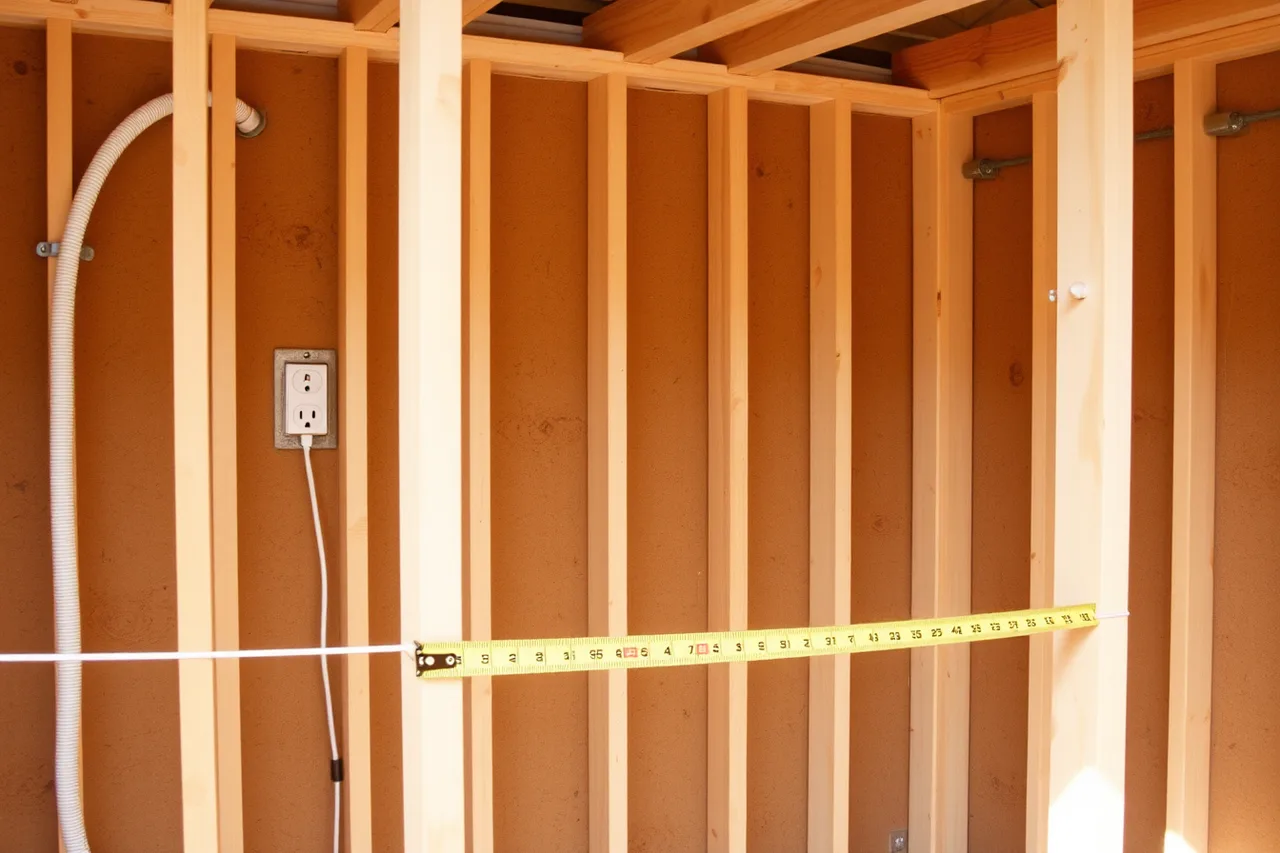
Crews that avoid this treat each inspection as a hard gate. Nothing gets covered until the previous stage has passed, and every wall gets photographed with a tape measure in frame before it is closed.
Lesson: the trades arrived in the wrong order
A second circuit added after insulation. A heat pump bracket fitted after cladding. Each one is a small demolition and a small argument about who pays.
The fix is a short written sequence agreed at the start, listing what has to be complete before each trade arrives. It takes an hour and prevents most of the friction. This is the same problem trade sequencing causes on the calendar, seen from the site rather than the schedule.
Lesson: cutting on site made more mess than expected
Sawing framing, sheathing and trim releases wood dust, and it collects fast in a small yard.
OSHA's overview of wood dust covers the respiratory and fire risks. Both apply at backyard scale: fine dust irritates airways, and a pile near a heat source is a hazard, not a mess.
What works in practice: cut outdoors and downwind, use dust extraction on the saw, sweep with a vacuum rather than a broom, and keep offcuts and dust away from anything hot.
Lesson: the roof was underestimated
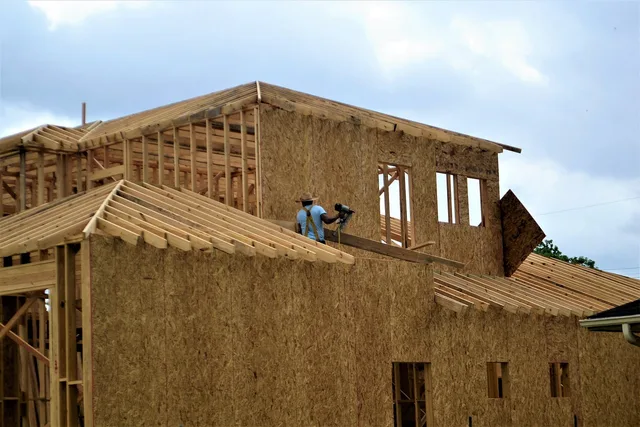
Roof work is where homeowners get hurt on small buildings. Employers on real job sites work under a specific rule, OSHA's duty to have fall protection, which requires protection at defined heights rather than at the point where someone feels nervous.
You are not subject to that rule on your own property, but the logic holds: choose protection before you climb, not once you are up.
Sheathing a roof, installing a covering, or working near an edge is a good time to hire a crew that does it weekly. The license and insurance checks worth making on that crew are the same as on a builder.
Lesson: weather was treated as bad luck
Weather was treated as bad luck
| Weather event | What it actually stops | The preparation that works |
|---|---|---|
| Rain before dry in | Everything, and it wets materials | Tarps ready, dry in as one push |
| Cold snap | Concrete, sealants, adhesives, paint | Check minimum application temperatures |
| Heat | Working hours and adhesive open time | Start early, store materials in shade |
| Wind | Sheet handling and any roof work | Reschedule rather than improvise |
The habit worth copying
Keep a one page daily log: who was on site, what was done, what was delivered, what the weather did, and what decision was made. It takes five minutes and it settles almost every dispute that follows.
Read this beside the build sequence so you can see where each of these failures sits in the order of work, and against the wider ways backyard projects slip.