Reviews
Batt, foam or board: comparing studio insulation systems on upkeep
Studio insulation systems batts, foam, board and hybrids are compared on cost, installation, upkeep and longevity for a backyard recording studio build.
What to take away
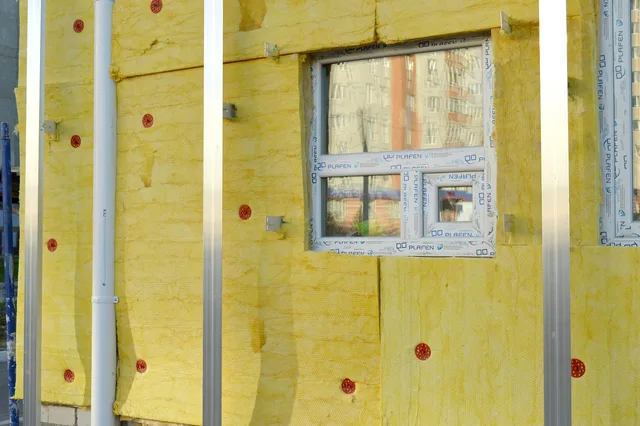
- For a small backyard recording studio, the usual pick is a hybrid: batts in the cavities plus continuous rigid board outside the sheathing.
- Typical installed US rangesfiberglass batts $1.50 to $2.50 per square foot, blown fill $1.50 to $3.00, rigid board $2.00 to $4.50, closed cell foam $1.50 to $3.50 per board foot.
- Air sealing decides more of the result than the insulation type does.
- Upkeep separates the systems more than price does. Batts want dryness checks, foam hides leaks, board needs intact flashing.
The five systems at a glance
Nearly every backyard studio uses one of five systems: batts, blown fill, closed cell foam, rigid board, or cavity fill paired with board.
Five insulation systems compared
Batts
- Cost
- Lowest
- Installation
- Easy to do badly
- Long term
- Fine if dry
Blown fill
- Cost
- Low
- Installation
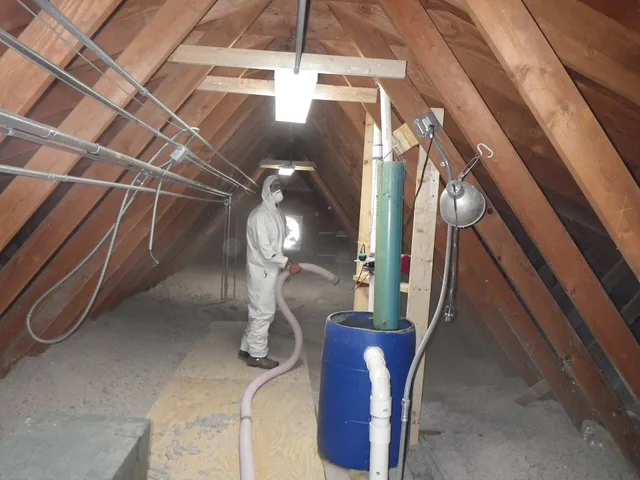
- Needs equipment
- Long term
- Can settle
Rigid board
- Cost
- Moderate
- Installation
- Detail heavy
- Long term
- Cuts bridging
Spray foam
- Cost
- Highest
- Installation
- Professional only
- Long term
- Hard to alter
R per inch
- Fiberglass batt
- R-3.1 to R-3.8
- Mineral wool batt
- R-3.7 to R-4.2
- Blown cellulose or fiberglass
- R-3.5 to R-3.8
- Closed cell spray foam
- R-6 to R-7
- Rigid board (XPS, EPS, polyiso)
- R-3.8 to R-6.5
Installed cost (typical US)
- Fiberglass batt
- $1.50 to $2.50 per sq ft
- Mineral wool batt
- $2.50 to $4.00 per sq ft
- Blown cellulose or fiberglass
- $1.50 to $3.00 per sq ft
- Closed cell spray foam
- $1.50 to $3.50 per board foot
- Rigid board (XPS, EPS, polyiso)
- $2.00 to $4.50 per sq ft
Air sealing
- Fiberglass batt
- None
- Mineral wool batt
- None
- Blown cellulose or fiberglass
- Partial when dense packed
- Closed cell spray foam
- Full
- Rigid board (XPS, EPS, polyiso)
- Yes, continuous layer
Upkeep
- Fiberglass batt
- 25 years or more if dry
- Mineral wool batt
- 25 years or more, damp tolerant
- Blown cellulose or fiberglass
- Settles 10 to 20 percent
- Closed cell spray foam
- Long life, hard to repair
- Rigid board (XPS, EPS, polyiso)
- 30 years or more if covered
Figures are typical US ranges for 2025, not quotes. Named examples include Owens Corning EcoTouch batts, ROCKWOOL Comfortbatt, Greenfiber cellulose and Icynene foam.
Line by line, board thickness, tape and air barrier details decide the result, which is why a studio builder's spec sheet is worth reading carefully before you sign.
R-values and realistic performance
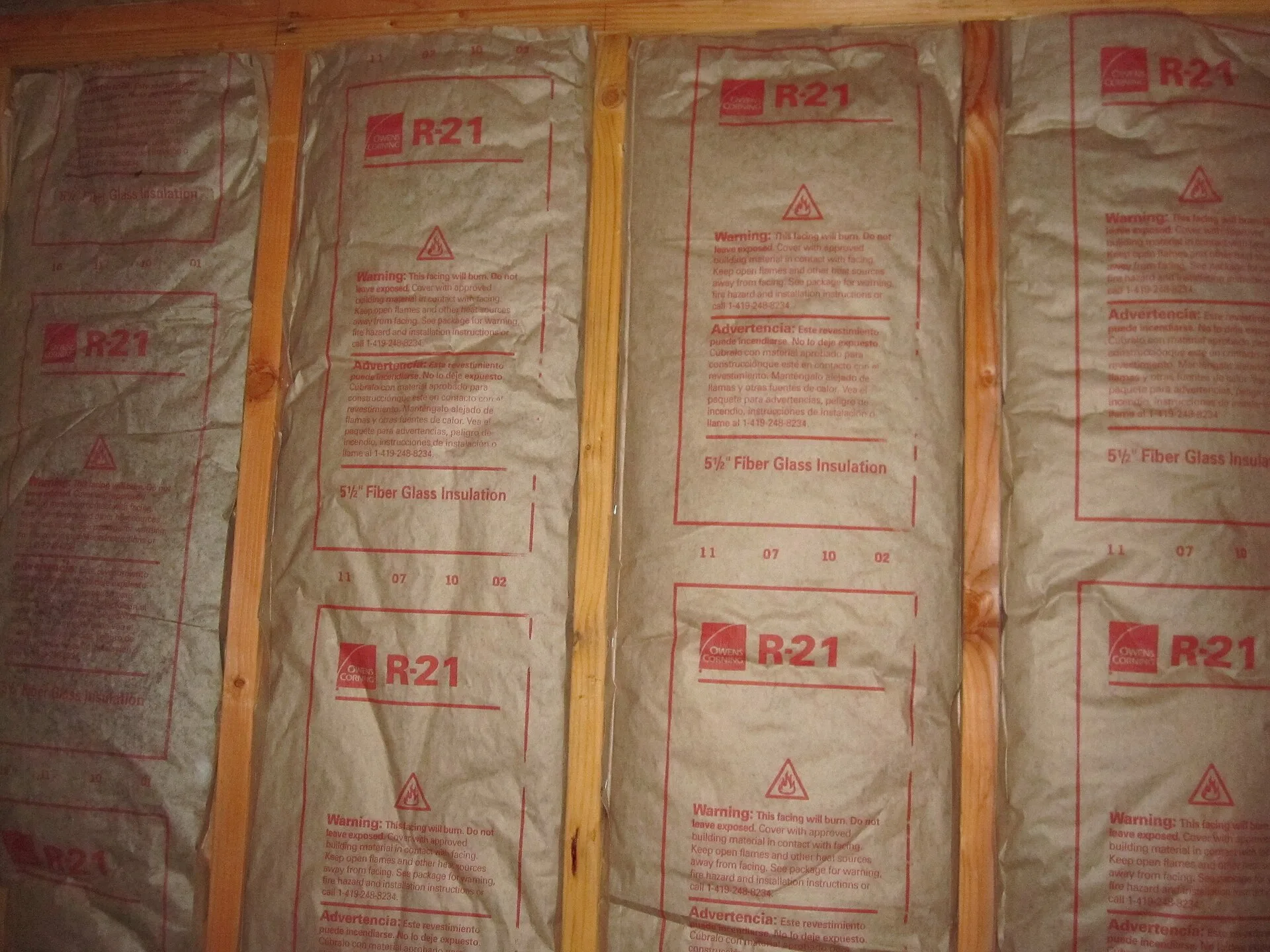
A 2x4 wall gives 3.5 inches of cavity. Standard fiberglass gives R-13, high density batts and mineral wool reach R-15, and closed cell foam reaches about R-21.
Rigid board adds R-value without using floor space. Polyiso reaches R-5.6 to R-6.5 per inch, XPS about R-5, EPS R-3.8 to R-4.4, and mineral wool board about R-4.2.
Every stud is a path for heat around the cavity. In a 120 square foot studio, framing is a larger share of the wall than in a house, so continuous board earns its cost faster.
Batts are the do-it-yourself option, which brings its own handling needs. Fiberglass and mineral wool irritate skin, eyes and airways, and OSHA's page on synthetic mineral fibers covers the controls.
Typical installed costs per square foot
Foam is priced per board foot, a 12 by 12 inch area one inch thick. Labor varies by region.
Fiberglass batts installed run $1.50 to $2.50 per square foot. Mineral wool at similar R-values runs $2.50 to $4.00.
Ordering matters as much as the product. The build sequence decides whether the layers can dry afterward.
Blown cellulose and fiberglass sit between $1.50 and $3.00 per square foot, and dense packing costs more because it takes longer.
Continuous exterior board usually runs $2.00 to $4.50 per square foot once fasteners, tape and window detailing are counted.
Foam at R-6 per inch costs about $1.50 to $3.50 per board foot, so a 3.5 inch wall costs roughly $5.25 to $12.25 per square foot.
Example: a 120 square foot studio shell
A 12 by 10 foot studio with an 8 foot ceiling has about 310 square feet of wall after openings, plus 120 of ceiling.
Batts over that 430 square feet at $2.00 per square foot cost roughly $860 installed, the floor of the market.
A hybrid adds board over about 350 square feet at $3.00, roughly $1,050 more, for less bridging and warmer sheathing.
Foaming the shell at 3.5 inches takes about 1,500 board feet, so roughly $2,250 to $5,250. Most of the gain in quiet comes from the air seal.
Upkeep and service life, system by system
Work is light on a well-detailed shell, and aftercare terms should name who returns after the first wet season.
- Fiberglass battscheck after every roof or plumbing incident, and replace any section that stayed wet.
- Mineral wool battssame checks, but the material holds shape and tolerates a small leak better.
- Blown fillexpect 10 to 20 percent settling in the first years, then top up at wall tops and in the attic.
- Closed cell foamlittle routine work, though leaks surface late because foam seals around them.
- Rigid boardinspect tape, flashing and fasteners every few years, because foam board exposed to sun breaks down within a few seasons.
Roof, flashing and grading carry the real load in every case.
Handling, moisture and sound
Closed cell foam is chemistry applied inside your building. The isocyanate component is a respiratory sensitizer, and OSHA's isocyanate guidance explains the exposure limits.
The building stays vacant during application and for the stated re-occupancy period.
Condensation and a leak look alike inside a closed cavity, and they need opposite responses.
Quiet is a separate target. Mass, decoupling and sealed penetrations do more for a recording room, and OSHA's noise pages explain exposure limits and control methods.
Two mistakes undo good insulation more often than product choice does: condensation and leaks found too late.
Common questions
Which system should I choose for a small recording studio?
Can I install batts myself?
Is spray foam worth the price?
Does more insulation always help?
In this guide
- Studio insulation lessons: what goes wrong when nobody checks firstReal insulation failures in backyard studios: gaps and compression, vapor control on the wrong side, foam applied over damp timber, and hot work near foam.
- Studio insulation systems: quote parts and spend orderStudio insulation systems for a backyard studio: split a quote into material, labor and preparation, price air sealing on its own, and see the spend order.
- Questions to ask an insulation contractor before a studio wall gets coveredThe questions to put to an insulation installer for a backyard studio: product type and R-value, air sealing locations, a blower door test, the inspection before cover-up, and licensing.
- Roof, wall or floor: matching studio insulation systems to the assemblyWhich insulation belongs where in a backyard studio: roof and ceiling, walls, rim and floor, plus how climate changes the answer for each part of the building.
- Studio insulation systems: a homeowner's work checklistUse this studio insulation systems checklist to coordinate the crew, check cavities before they are covered, manage cleanup, and document the finished work.