Rules
Part of Batt, foam or board: comparing studio insulation systems on upkeep
Questions to ask an insulation contractor before a studio wall gets covered
The questions to put to an insulation installer for a backyard studio: product type and R-value, air sealing locations, a blower door test, the inspection before cover-up, and licensing.
What to take away
- Ask for the product type, the installed thickness and the R-value it gives at that thickness.
- Ask for air sealing by location, and ask how it will be tested.
- Ask who inspects the work before it is covered, and insist it is not only the installer.
- Ask about ventilation during the work and when the studio can be occupied again.
Questions about the product and the installation
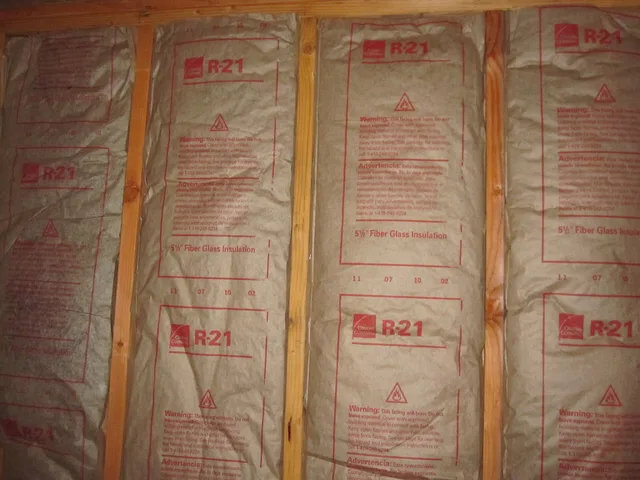
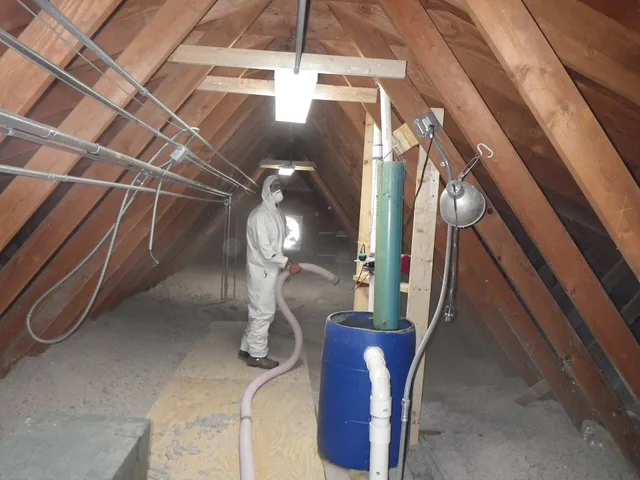
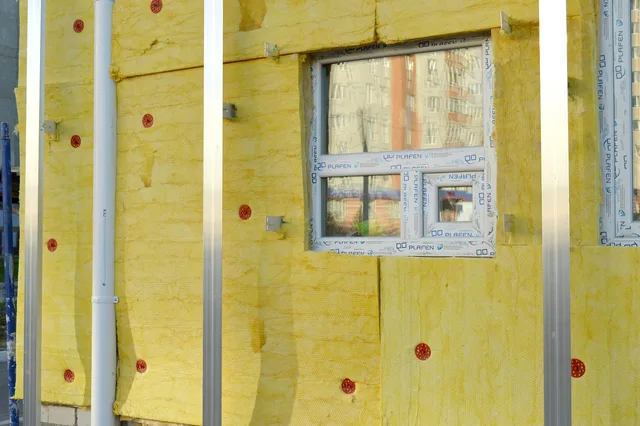
- Which product exactlyspray foam, blown-in fiberglass, mineral wool batts or rigid board?
- What is the installed thickness, and what R-value does that thickness deliver?
- How will you handle wiring, plumbing and blocking in the cavities?
- What preparation do you need from me before you arrive?
- How do you deal with gaps at edges, corners and the top of walls?
- What happens where the wall meets the roof and the floor?
The last question separates people. Junctions are where much of the heat loss and condensation risk tends to sit. A contractor with a clear answer is thinking about the assembly, not just filling a cavity.
For a typical backyard studio wall, the R-value per inch depends on the material. The U.S. Department of Energy's spray foam guide lists about R-3.6 per inch for open-cell foam and about R-6 per inch for closed-cell foam. Ask the installer to show the number from the product data sheet for the thickness they plan to install, and check that it matches what the energy code requires for your climate zone.
Insulation product questions to ask
- Exact product and installed thickness
- Coverage area confirmed
- Wiring and plumbing in cavities
- Blocking in cavities
- Gaps at edges and corners
- Wall-to-roof and wall-to-floor junctions
Questions about air sealing
Ask for a list of locations, not a promise. Sill, top plate, sheathing joints, window and door perimeters, electrical penetrations, and the point where the ceiling meets the wall. Then ask how it will be verified before anything covers it. It should also be priced as its own line rather than folded into a lump sum.
Ask whether the studio will get a blower door test. The test depressurizes the building and measures air leakage, and it is often run after rough-in and again once the envelope is finished. Testing standards such as ANSI/RESNET/ICC 380 describe how it is done, and the result should be a written report signed by the tester.
Air sealing locations to list
- Sill
- Top plate
- Sheathing joints
- Window and door perimeters
- Electrical penetrations
- Ceiling-to-wall junction
- Verification before covering
- Priced as its own line
Questions about vapor control and the cavity
Ask which side of the wall the vapor retarder goes on, and whether the product itself acts as one. Requirements depend on your climate zone and on the edition of the International Residential Code your jurisdiction has adopted, so the answer should cite the local code section, not a general rule of thumb.
Questions about health and occupancy
- What protection does your crew use, and what should my household do?
- How will the work area be ventilated during and after?
- Is there a period when nobody should be in the studio, and how long?
- How is dust and residue cleaned up, and by whom?
- Will you provide the product data sheets before starting?
These are reasonable questions and any competent installer will answer them. Spray foam data sheets state a re-entry or cure time, and that number should be written into the job scope. Crews handling mineral wool or fiberglass should follow OSHA's respiratory protection rules for construction, 29 CFR 1926.103, which OSHA's training resources cover.
Questions about scheduling
- When can you start, and how long will you be on site?
- What has to be finished by others before you arrive?
- What happens if the building inspection is delayed?
- Will the same crew do the whole job, or will it change part way?
- How much notice do you need if a date moves?
Insulation sits between the rough inspections and the interior finish, so a delay here stops everything behind it. Agree the dependencies in writing, so a crew does not arrive to find the electrical rough-in incomplete and leave again.
Questions about paperwork and licensing
| Ask for | Why |
|---|---|
| Product data sheets | Coverage, cure times, occupancy guidance |
| Written scope with air sealing detail | Prevents the invisible omission |
| Insurance certificate from the insurer | Protects you if something goes wrong |
| Photographs before covering | Your record for the next twenty years |
| Warranty terms | Some depend on installation method |
Ask for the contractor's license number and check it on your state contractor licensing board's public lookup. Licensing rules for insulation work vary by state, and some states license only the general contractor. If the installer says none is needed, ask the building department to confirm it in writing.
Do not let anything be covered unchecked
Insist that insulation is inspected and photographed before drywall or cladding goes on, and that any required building inspection has passed first. This is the last cheap moment in the whole process. The system comparison helps you judge whether the proposed product suits your wall assembly.