Costs
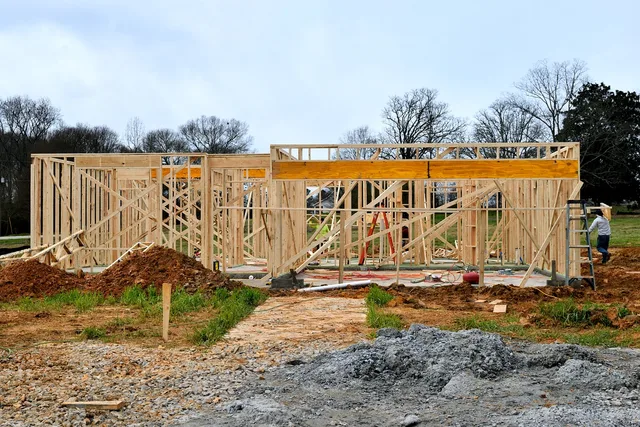
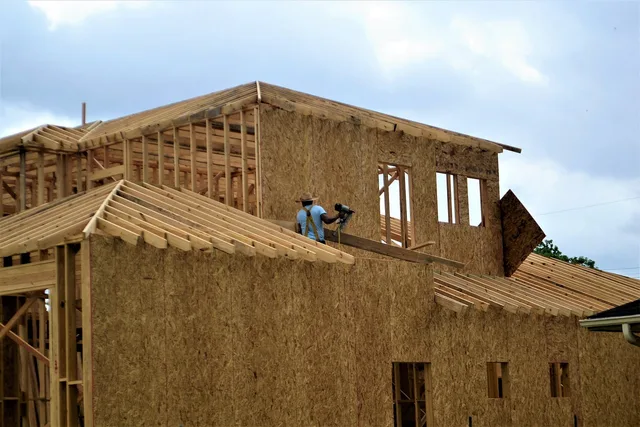
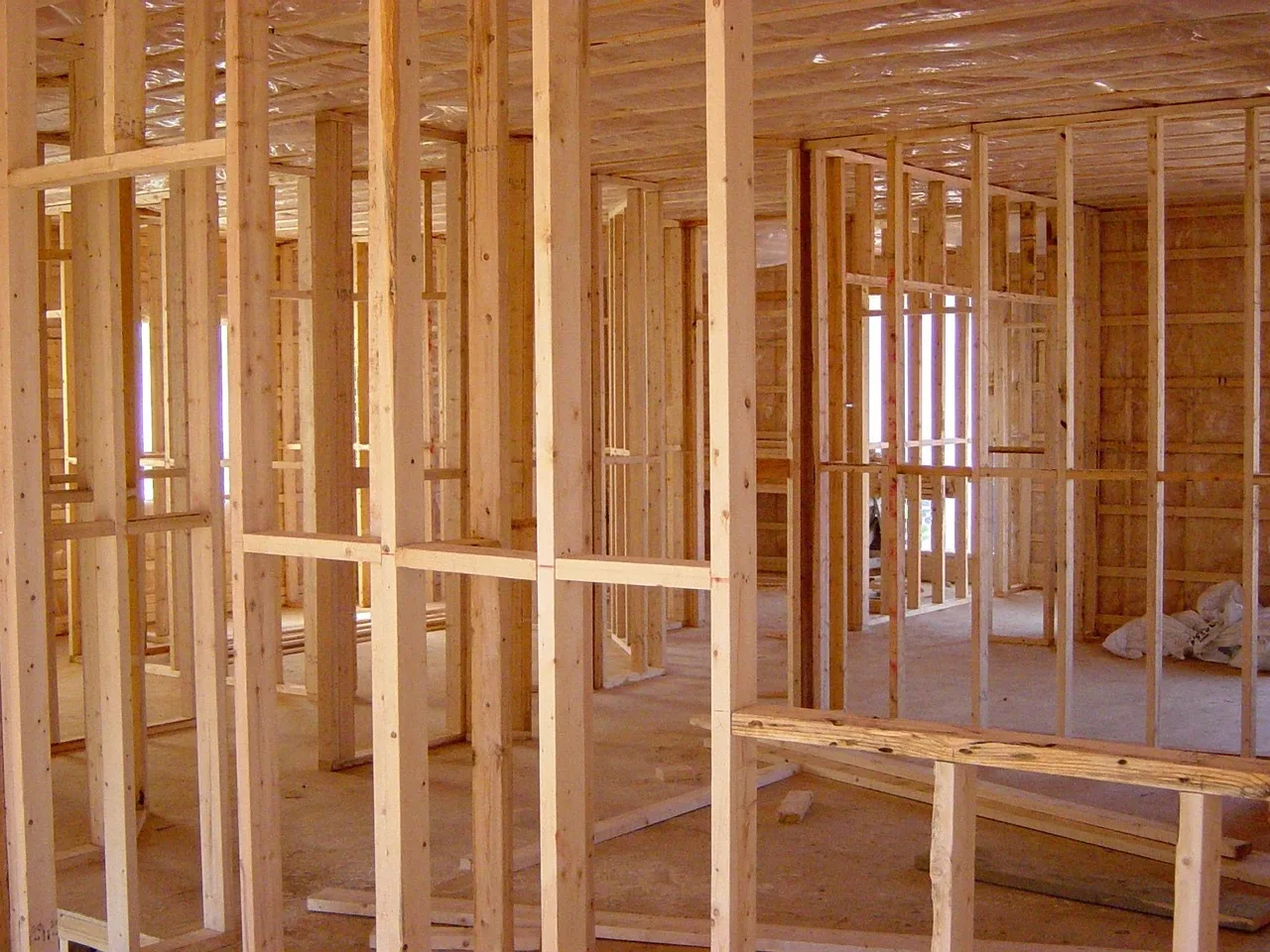
Part of Studio shed construction: five stages from site to finish
Studio shed construction: what a builder's quote should split out
A studio shed construction quote should separate labor, materials, plant, waste, trade visits, allowances and milestone draws, so you can compare bids.
What to take away
- On a small build, labor usually costs more than materials, and it is the harder line to estimate.
- Add a waste factor to every material quantity. Small jobs waste proportionally more than large ones.
- Mobilization is a real cost. Every extra visit by a trade has a minimum charge attached.
- Build a schedule of values before work starts, so payments follow visible progress.
Split the build cost properly
Construction budgets have three parts that behave differently.
Three parts of build cost
Materials
- Predictability
- High once fixed
- Main driver
- Waste, price movement
- Often forgotten
- No
Labor
- Predictability
- Low
- Main driver
- Local rates, access, visits
- Often forgotten
- No
Plant and disposal
- Predictability
- Medium
- Main driver
- Hire and hauling
- Often forgotten
- Yes
- Materials.Reasonably predictable once the specification is fixed, but subject to waste and to price movement over a long schedule.
- Labor.The larger and more variable part on a small building, driven by local rates, access difficulty and how many separate visits each trade has to make.
- Plant and disposal.Excavator hire, a concrete pump, scaffolding, a dumpster, and hauling spoil away. These are easy to forget and awkward to add later.
Labor rates vary by region and by trade, and there are legal floors underneath them. The Labor Department's page on the minimum wage sets out the federal floor for covered nonexempt employees under the Fair Labor Standards Act, with state rates that may be higher; where both apply, the worker is entitled to the higher of the two. Skilled trades are paid well above that floor, and any quote that looks far below local norms is worth questioning rather than celebrating.
Waste factors and small job penalties
Small jobs waste more. A sheet product cut for a ten foot wall leaves an offcut that fits nothing else. Framing, sheathing, cladding, flooring and insulation all need a margin above the calculated quantity.
Visit count vs labor cost
Four half-day visits
- Mobilizations
- 4
- Setup and pack-up
- Paid 4 times
- Total labor cost
- Noticeably higher
- Sequencing need
- High
One two-day visit
- Mobilizations
- 1
- Setup and pack-up
- Paid once
- Total labor cost
- Lower
- Sequencing need
- Low
Small jobs also pay mobilization penalties. A trade visiting four times for half days costs noticeably more than one visiting once for two days.
Sequencing to cut visits saves money, so a written trade order is worth an hour of planning. Builds that skip that hour describe trades arriving in the wrong order and paying for the same work twice.
If you hire people directly
Paying trades yourself rather than through a general contractor saves the contractor's margin. It also moves coordination and risk onto you.
If a worker becomes your employee rather than an independent business, obligations follow: payroll, tax withholding, insurance and records. Payroll taxes alone add a known share to every wage. The IRS publishes the Social Security and Medicare rates at 6.2% and 1.45% of wages for the employer, with the same amounts withheld from the employee, so budget the employer's share on top of each hourly rate before you take direct hiring on lightly.
For most homeowners the safer arrangement is a written contract with an insured business, priced against a defined scope.
Build a schedule of values
| Milestone | Share of contract | Verified by |
|---|---|---|
| Mobilization and site setup | Small | Site established, materials on order |
| Foundation complete | Substantial | Inspection passed |
| Framing and dry in | Substantial | Weather tight, inspection passed |
| Rough services | Moderate | Rough inspections passed |
| Insulation and finish | Moderate | Visual, before covering |
| Completion | Holdback | Final inspection and punch list closed |
Tying money to verifiable milestones is the single best protection a homeowner has, and where each of those milestones falls in the calendar is worth mapping before the first draw. A date based schedule pays for time rather than progress.
Allowances worth naming separately
- Weather days, particularly before dry in.
- Concealed site conditions such as rock, roots or poor bearing soil.
- A permit condition discovered during review.
- Material price movement on a long schedule.
- Yard restoration after machinery has been through.
Keep those separate from the contract sum so the budget shows what is committed and what is held. That structure sits inside the wider cost picture, and the build sequence tells you which stage each payment belongs to.
What the quote should show line by line
- The foundation type and its scopea gravel pad, concrete piers or posts, or a slab, with excavation, forms and any drainage stated.
- The insulation specification for floor, walls and roof as R-values, checked against your climate zone. ENERGY STAR's recommended levels, based on the 2021 International Energy Conservation Code, run for an uninsulated attic from R30 in zone 1 to R60 in the colder zones.
- The electrical scopefeeder from the house panel, trench, subpanel, circuits and fixtures, and who pulls the electrical permit.
- Permit and inspection fees from your local building department, and who pays them.
- Materials by element, with the quantity, the waste margin added to it, and whether prices are fixed or can move.
- Labor by trade, with the number of visits each trade is expected to make.
- Plant and disposalmachine hire, pumping, scaffolding, dumpster and spoil hauling as their own lines.
- Mobilization and site setup.
- Each allowance from the list above, kept outside the contract sum.
- The schedule of values, with each draw tied to the milestone that releases it and the holdback stated.
Two bids laid out this way can be compared line by line; two bids given as one total cannot.