Maintenance
Part of Studio sheds: what to check on a shell before you convert
Twice a year is enough to keep a studio shed sound after year one
The seasonal checks that keep a shed studio dry and comfortable after the first year, what to inspect, what to reseal, and what to leave to a professional.
What to take away
- Year one hides problems. Year two reveals them, so the second spring inspection is the one that matters.
- Water is the only failure mode that ruins a small building quickly. Everything else is slower.
- Sealants are consumables. Plan to renew them, and know which ones are structural.
- Roof and gutter work is where homeowners get hurt. Know when to stop and call someone.
The twice yearly walk around
Do this in early spring and again in late fall, with a notebook and a phone camera. Photographs from the same five positions each time make slow changes obvious.
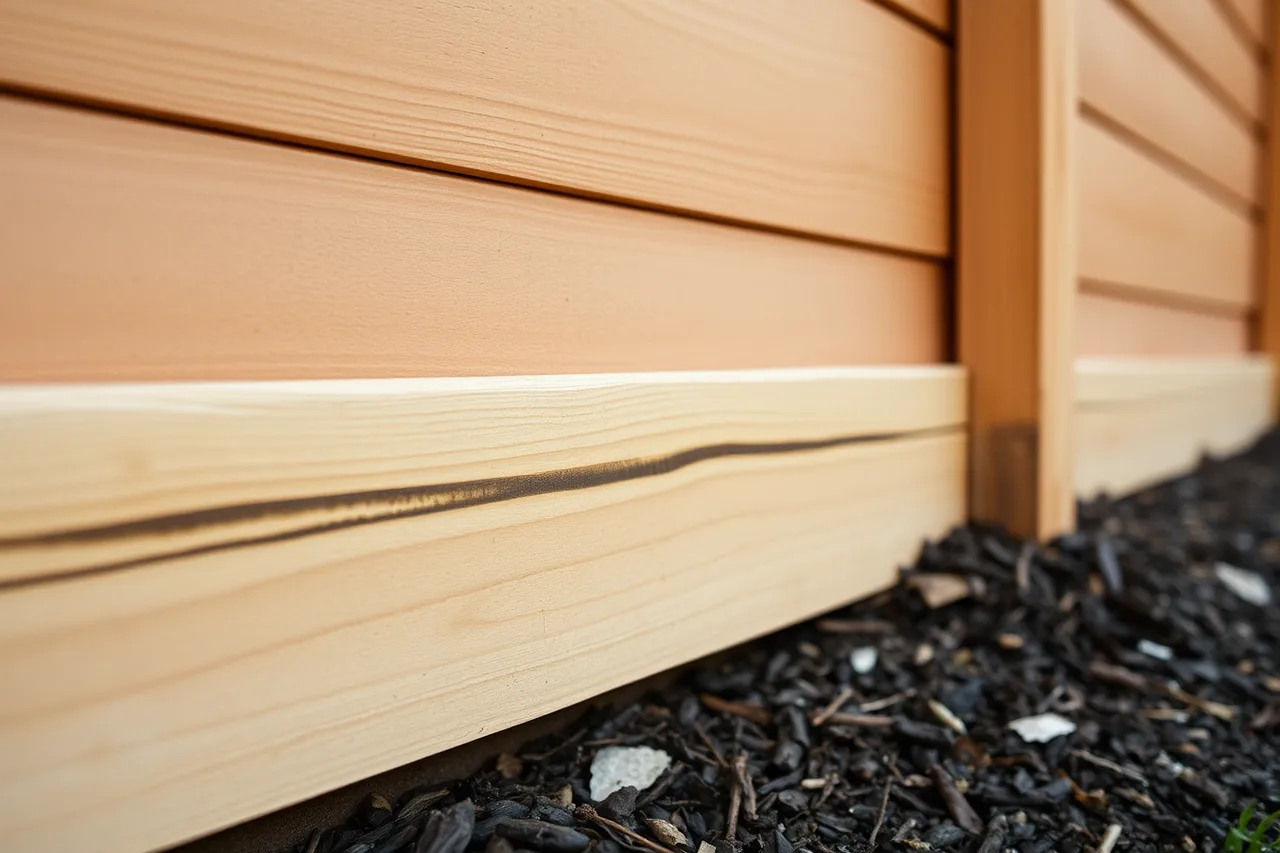
- Ground and grade.Is soil still sloping away from the building? Has mulch built up against the siding? Is the downspout still discharging where it was designed to?
- Base of the walls.Look for staining, soft trim, peeling paint, insect activity, or a dark line at the bottom board.
- Door and windows.Check the weatherstripping compresses, the threshold seals, and the head flashing sheds water outward.
- Roof edge and overhang.Look for lifted shingles or panels, blocked gutters, and any spot where water splashes back onto the wall.
- Inside.Check the corners of the floor, behind furniture, and around any penetration for the electrical or heating equipment.
Seasonal tasks
| Season | Task |
|---|---|
| Spring | Clear gutters, reset grade, check flashing, service the heat pump filter |
| Summer | Check shading, look for condensation on cool surfaces, test ventilation |
| Fall | Clear leaves, reseal exposed joints before wet weather, check door sweep |
| Winter | Watch for ice at the drip edge, check for drafts, confirm the path stays safe |
Sealants are not permanent
Exterior sealant joints move with temperature and eventually fail. A joint that has cracked, pulled away or gone chalky is doing nothing. Renewing it is simple work; deciding whether it should be renewed at all is less obvious, because some joints are meant to stay open so water can drain out. Which sealants and tapes actually hold up on your cladding is worth settling with a small trial rather than at the hardware store.
The trade that does this work full time treats it as a technical field rather than a caulk tube, which is the framing OSHA uses for the sealant, waterproofing and restoration industry. For a small studio the practical rules are: never seal the drainage gap at the bottom of a cladding system, clean and prime before applying, and match the sealant to the substrate.
Know when to get off the ladder
Most homeowner injuries on small buildings involve ladders, roofs and gutters. OSHA's construction standard for ladders applies to employers rather than to you working on your own property, but it is a reasonable checklist anyway: set the ladder on firm level ground, secure it, keep the load within its rating, and do not stand on the top.
If the work requires standing on a sloped roof, moving a ladder while holding tools, or working above head height near a power line, that is the point to hire it out. A backyard studio is not worth a fall. The same license and insurance checks apply to a two hour roof job as to the original build.
Keep a file
Write down what you did and when, keep receipts and product names, and photograph anything you open up. It takes ten minutes and it turns guesswork into a record when you sell, insure or repair. What needs checking most also depends on where you live, so read this alongside the climate driven choices for shed studios, and revisit the conversion sequence if a repair turns into a rebuild.