Maintenance
Part of Backyard studio makeovers: what to keep and what to drop
Backyard studio makeovers: fixing rot, damp and old finishes
Rot, damp, old finishes and failing drainage are common findings in backyard studio makeovers. Diagnose each problem and repair it in the right order.
What to take away
- In backyard studio makeovers, repair in order: drainage outside, then structure, then services, then finish.
- Rot is a symptom. The repair is not complete until the water source is gone.
- Chemical paint strippers are not harmless. Some contain substances with serious health effects.
- Digging for drainage looks simple and is where people get hurt at depth.
Problem: rot at the bottom of the wall
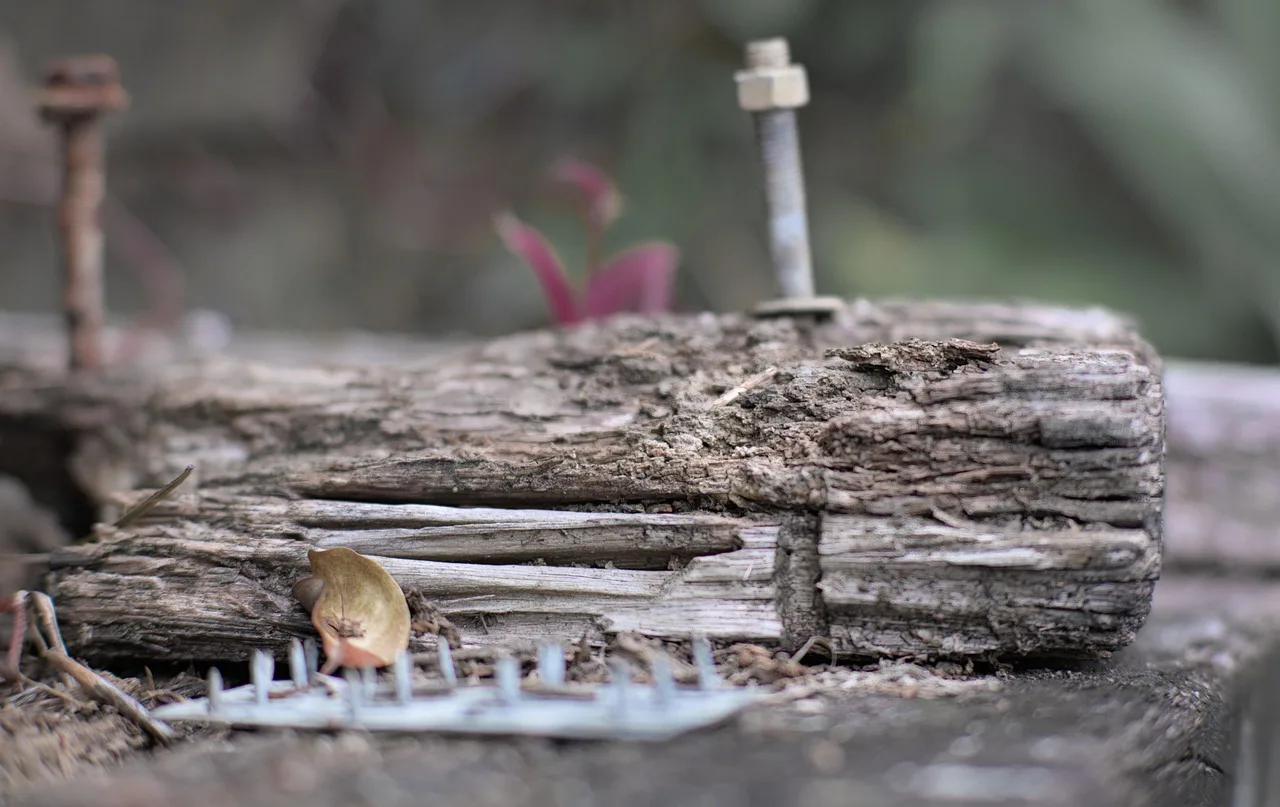
Diagnosis. Probe suspect timber with a screwdriver. Soft, crumbly or stringy wood is rot, and it usually extends further than the visible area.
Fix. Establish where the water comes from first: grade sloping toward the building, splash from a hard surface, a downspout discharging nearby, or no separation between the floor and the ground. Correct that, let the structure dry, then cut out and replace the affected members with appropriately treated timber. Use lumber treated to AWPA Use Category UC3B for above-ground and UC4A for ground contact; common preservatives are borate, copper azole (CA-C) and alkaline copper quaternary (ACQ). Replacing rotten wood without fixing the water buys about two years.
Problem: damp with no obvious leak
Diagnosis. Leaks track rainfall; condensation tracks temperature and humidity. Put a logger in the room for two or three weeks and compare against the weather.
Fix. For condensation, reduce moisture generation, ventilate, and improve insulation continuity so surfaces are not cold. Getting the vapor control layer on the right side for your climate matters as much as the insulation itself. For leaks, follow the water upward to the highest wet point and check flashing, roof edge and penetrations there.
Problem: old finishes that have to come off
Stripping old paint or varnish is the point where a makeover turns chemical. Some paint strippers contain methylene chloride, which OSHA regulates under 29 CFR 1910.1052, including its health effects and the exposure controls required where it is used.
Practical approach for a small studio. Read the product label and data sheet before buying. Prefer mechanical removal or a less hazardous product where you can; benzyl alcohol, dibasic ester and soy-based strippers are common alternatives to methylene chloride. Work outdoors or with strong ventilation. Never use solvent based strippers in a closed small room, and never use a heat gun on coatings that may contain lead. On pre-1978 residential property, the EPA Renovation, Repair and Painting (RRP) rule (40 CFR 745) requires lead-safe work practices and a certified renovator when painted surfaces are disturbed.
Problem: water arriving from the yard
Diagnosis. Watch the site during heavy rain. Water moving toward the building, ponding at a corner, or a downspout with nowhere to go.
Fix. Regrade so the ground falls away, extend downspout discharge, and add a drainage route if the ground cannot be reshaped. That sometimes means a trench.
Trenching is where homeowners underestimate risk. OSHA's excavation standard, 29 CFR 1926.650–652, requires employers to protect workers in excavations 5 feet deep or deeper, and in shallower excavations where a hazard exists. Unsupported soil can collapse without warning.
On your own property, shallow work is manageable if spoil stays back from the edge. Call 811 before you dig. Anything deeper than waist height needs someone with shoring and experience; that is a stricter limit than OSHA's 5-foot trigger.
Photograph everything as you open it. A dated set of images showing the framing, the wiring and the wet areas is what lets a second opinion be useful without another strip out. Owners who skipped it describe guesswork on every repair that followed.
The order that works
Step / Why it comes here
- Outside drainage and grade
- Stops new water arriving
- Structural repair
- Only meaningful once dry
- Wiring and services
- Before anything is covered
- Insulation and air sealing
- After services, before finish
- Interior finish
- Last, and easy to change
Working out of that order is what produces most of the common backyard building defects in the first place, and the findings a makeover exposes usually confirm it.