Maintenance
Part of What a backyard studio really costs in 2027, beyond the sticker price
What homeowners regret about backyard studio spending: a closer look
The money regrets that surface after a backyard studio is finished: cheap glazing, DIY wiring redone, no contingency, and savings that cost more later.
What to take away
- Almost every money regret is about something permanent that was cut to protect something replaceable.
- Wiring done informally is the most expensive saving in this category, and the most dangerous.
- Owners rarely regret spending on the enclosure. They regularly regret spending on finishes.
- The path, the door and the shade are small lines that change daily use more than their price suggests.
Regret one: the wiring was improvised
The pattern is familiar. An extension cord from the house becomes semi permanent, or a cable is buried at shovel depth without a permit. It works until it does not, and then it has to be redone properly, usually after the paving and planting are finished.
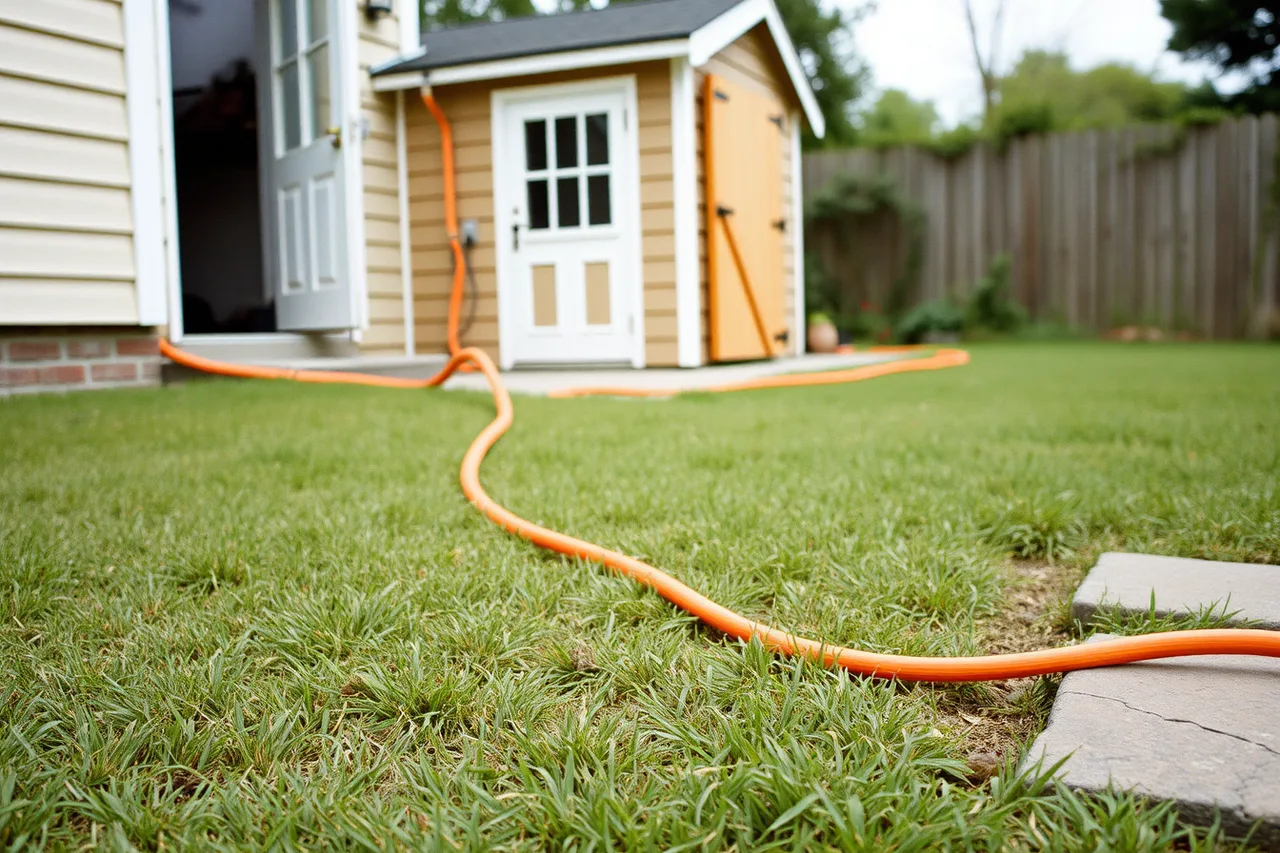
The rulebook for this work sits in 29 CFR 1910 Subpart S, listed on OSHA's electrical standards pages.
Shock and arc flash are the categories that make an amateur feeder dangerous, not merely non-compliant. A cord run across a lawn adds trip and damage risk that worsens every winter.
Redoing it properly means a trench, a feeder and a subpanel. For a detached studio that typically costs $1,500 to $4,000, and more where the trench is long or the main panel needs work.
The honest version of this saving: it is a deferral, not a saving, and the deferred version costs more.
Regret two: heating was solved with a plug in appliance
A portable heater in an underinsulated studio is loud, expensive to run, and left on unattended. Space heaters are a recurring ignition source.
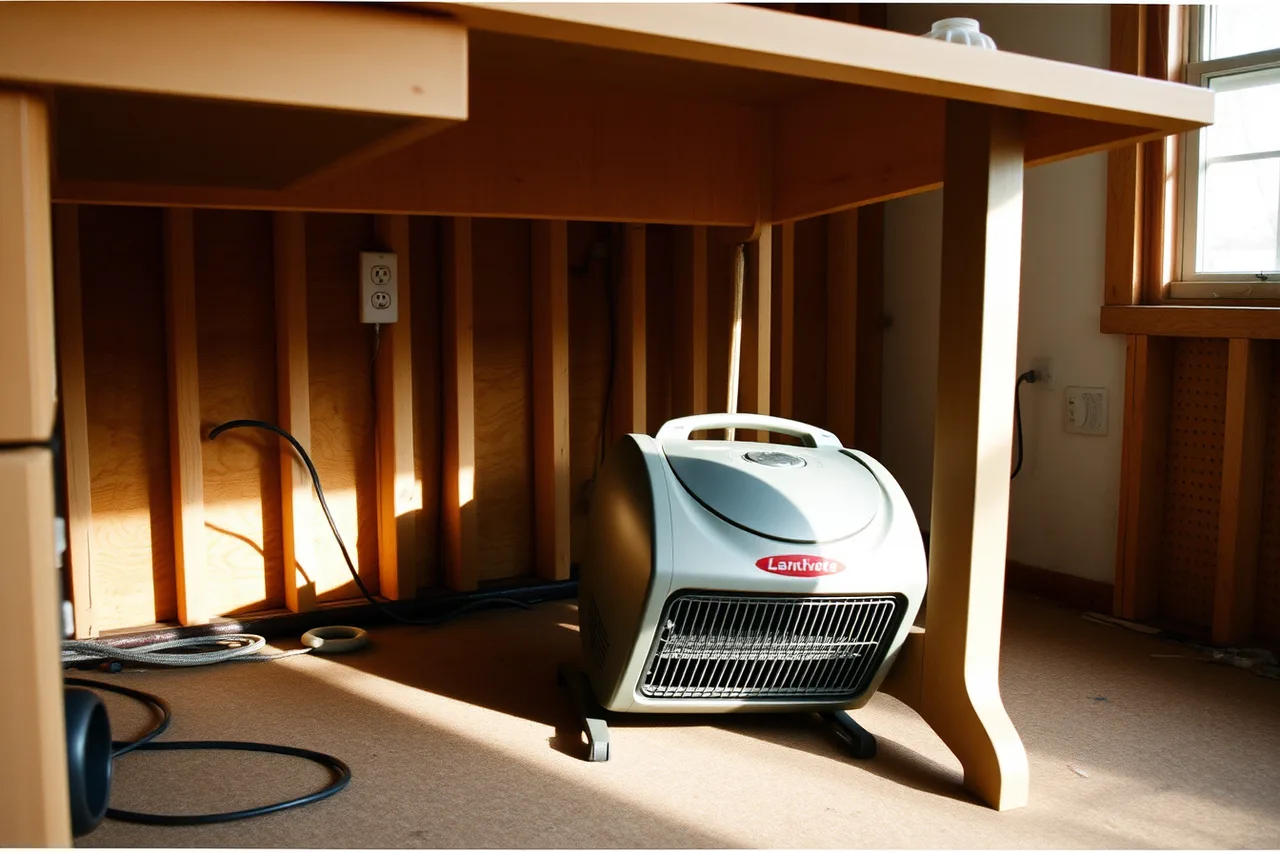
Most mini splits sold for a small studio start at 9,000 Btu/h, which is often more than a tight, insulated room needs, so oversizing is the common error.
A 1,500 watt portable heater run eight hours a day costs roughly $1.50 to $2.50 at typical U.S. rates. A heat pump delivering the same heat uses about a third of that electricity.
NFPA 72 covers smoke alarm placement in a small building, and OSHA's fire safety page collects the exit and ignition rules.
The fix is not exotic: a correctly sized heat pump on its own circuit, and a smoke alarm in the room. The same logic sets the order the upgrades pay back in.
Regret three: the glazing and the door were the budget cut
Windows and doors are where cheap shows up daily, and thin glass plus an uninsulated slab door leak heat, sound, and often water at the head.
A double pane, low E unit typically costs $400 to $1,000 installed per opening, against $150 to $400 for single pane. An insulated exterior door runs $600 to $1,500 installed. A hollow slab door runs $250 to $500.
Replacing either later means touching the cladding and the air barrier. Glazing is the clearest example of a cut that backfires, not one that saves.
Regret four: no contingency, so every surprise became a compromise
Without a contingency, a rock in the trench turns into a thinner insulation specification. Set the contingency at 10 to 15 percent of build cost, and 20 percent where the site is untested, meaning rock, high water, or an existing structure tied into the new one.
Where the money tends to be well spent
No survey stands behind these two lists. They summarize the reasoning in this article and owner accounts posted in forums and trade coverage.
| Well spent | Why |
|---|---|
| Insulation and air sealing | Changes comfort every day and cannot be added cheaply |
| A good exterior door | Heat, sound, security, and rain at the threshold |
| A permitted circuit with a disconnect | Makes the room usable and safe |
| Roof overhang | Protects the wall and door for decades |
| Lit, drained path | Decides whether the room gets used in winter |
Where the money tends to be wasted
- Expensive interior cladding over a cold, leaky shell.
- Extra windows on the sun side that then needed blinds and a bigger cooling unit.
- Oversized heating equipment bought before the enclosure was finished.
- Decorative exterior details with no overhang to protect them.
The pattern is consistent: the choices made before the shell is closed carry the money. The cost structure shows which lines those are, and the payment sequence shows when each one has to be committed.