Guides
3 Ways to Heat a Backyard Studio in a Canadian Winter
Compare three ways to heat a backyard studio through a Canadian winter — mini split, baseboard or portable — and size each to your design temperature.
Heating a backyard studio through a Canadian winter comes down to three things: the heater you choose, the winter design temperature where you live, and how well the shell holds heat.
What to take away
- Size for your local winter design temperature, not the average of the coldest month.
- A cold climate mini split costs more up front and less to run than electric baseboard.
- Your kilowatt hour rate decides how quickly a mini split's lower running cost offsets its higher price, and rates vary widely by province, so look up your own utility's current rate.
- Envelope work comes first. No heater compensates for thin walls and a leaking door.
- Rebates often require a licensed installer, so confirm eligibility before you buy.
Design temperature sets the equipment list
When outdoor air drops below -20 C, most residential heaters stop delivering their nameplate output. A unit that looks generous on a mild-day sheet can struggle to hold 15 C indoors. Sizing starts with the design temperature where you live, and the Canadian Climate Normals from Environment and Climate Change Canada give the station level value for that.
Design Temperature by Location
Victoria studio
- Winter low
- -8 C
- Equipment
- Mild-climate unit
- Insulation
- Moderate
- Running budget
- Lower
Saskatoon studio
- Winter low
- -30 C
- Equipment
- Cold-climate unit
- Insulation
- Heavy
- Running budget
- Higher
A studio near Victoria rarely drops below -8 C. One outside Saskatoon can sit near -30 C for a week. Those two rooms need different equipment, different insulation and different running budgets.
Cut the load before you buy heat
A small detached room carries a lot of wall and roof per square metre of floor, so heat loss scales badly. Insulation and air sealing usually return more per dollar than an upgrade to the heat source, and they cost nothing to run.
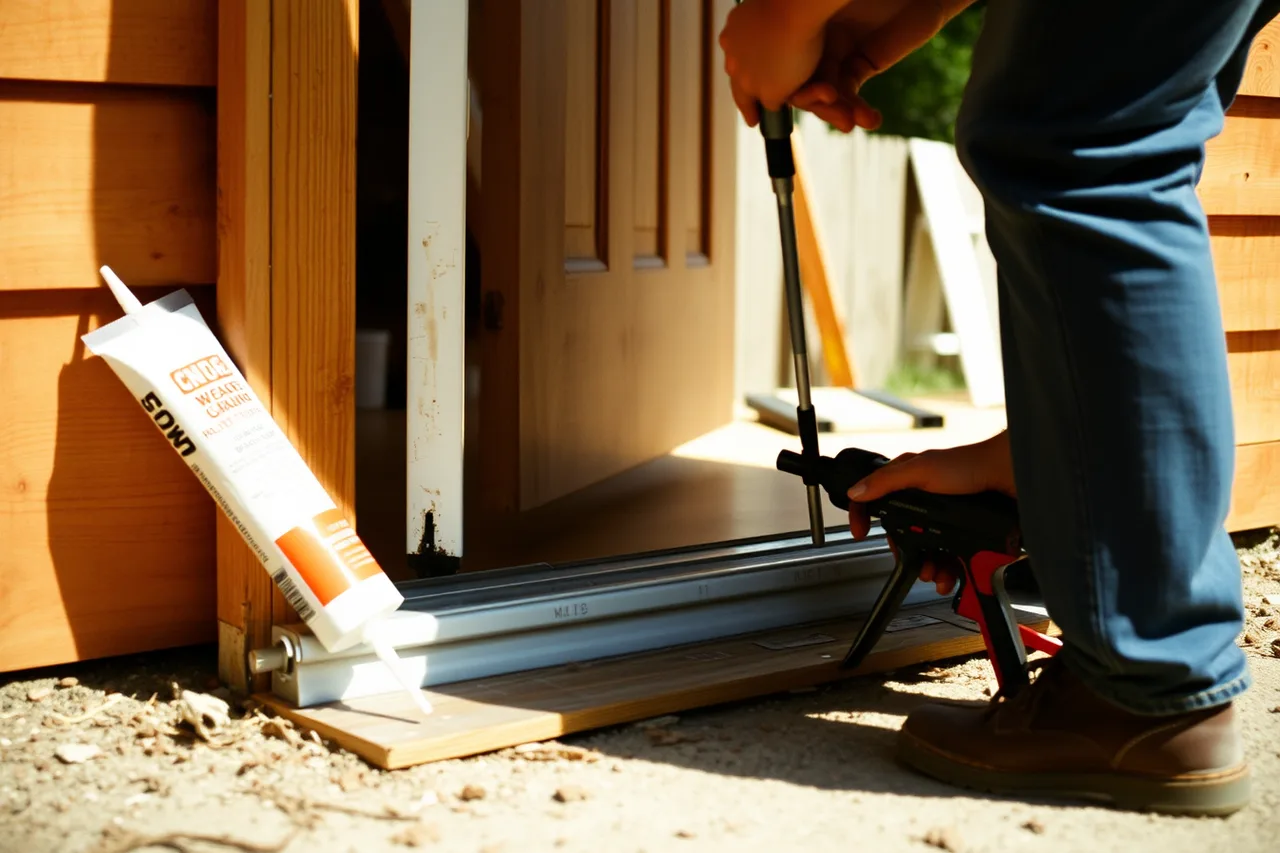
Seal the door threshold, sill plate, and cable penetrations first. Warm air collects near the ceiling, so extra insulation pays best up there. A hired blower door test finds gaps you cannot see.
Recessed lights and outlet boxes leak badly in older sheds. How you frame a studio shed sets how much insulation fits in the wall cavity. That choice fixes the load you heat later.
Glazing is the next weak point. A single-glazed door can lose more heat than the walls around it. Cold floors round out the list, and a bare slab pulls warmth out of the room.
Three options on criteria that matter
Three heat sources fit a Canadian studio: a cold climate mini split, fixed electric baseboard or panel heaters, and a portable resistance unit. They vary in purchase price, running cost, noise, and how much of the room each holds at temperature on the coldest night.
Three Heat Sources Compared
Mini split
- Output at -20 C
- 60-100%
- Installed cost
- $2,500-$6,000
- Running cost
- Lowest
- Noise
- Low
- Installer needed
- Yes
Baseboard
- Output at -20 C
- Full
- Installed cost
- $400-$1,200
- Running cost
- Highest
- Noise
- None
- Installer needed
- Sometimes
Portable
- Output at -20 C
- Small
- Installed cost
- $100-$400
- Running cost
- High
- Noise
- Fan noise
- Installer needed
- No
Placement matters. A wall-mounted head needs clear space to move air. None of them replaces a sealed shell.
Cost bands below are illustrative, and they only make sense beside the wider budget the construction phase of the building itself.
Cold climate mini split
- Output at -20 C
- 60 to 100 percent
- Installed cost
- $2,500 to $6,000
- Running cost at a high rate
- Lowest
- Noise
- Low indoors
- Certified installer needed
- Yes, for refrigerant
Electric baseboard
- Output at -20 C
- Full
- Installed cost
- $400 to $1,200
- Running cost at a high rate
- Highest
- Noise
- None
- Certified installer needed
- Sometimes
Portable heater
- Output at -20 C
- Small
- Installed cost
- $100 to $400
- Running cost at a high rate
- High
- Noise
- Fan noise
- Certified installer needed
- No
Where each option wins
Each option is right in some case. A mini split suits a studio used four or more days a week, all year, in a province with mid to high residential rates, where the running cost gap compounds.
Which Heater Fits Your Studio
Used four or more days a week, all year?
Cold climate mini split
Already wired for 240 volts?
Baseboard suits a room already wired for 240 volts and used two evenings a week. A studio without that circuit needs one added, and new electrical work has to be inspected by the provincial electrical authority, such as the Electrical Safety Authority in Ontario or Technical Safety BC in British Columbia, against the Canadian Electrical Code, CSA C22.1. A lightly used shed is better served by a portable unit that takes the chill off before a session.
Utility programs such as Ontario's Save on Energy and Hydro-Québec's LogisVert offer heat pump rebates, which change the payback period. Low outdoor performance follows the refrigeration cycle, described in HVAC fundamentals.
Ask for rated capacity at your own design temperature, not the headline figure measured at 7 C. Heat pumps also defrost in cold weather, dropping output for a few minutes at a time.
What all of them leave unsolved
Every option here depends on electricity, so a winter outage takes your heat with it. Battery backup or a generator is the only answer to that, and it costs more than the heater. Each one loses capacity or comfort in a deep cold snap, exactly when the room needs heat most. Fresh air is not part of the package either.
A tight 12 square meter studio with two people needs ventilation, and heat alone will not supply that. Condensation on cold glazing is the first sign, followed by a stuffy room and dull headaches.
Layout compounds the problem, because a desk pushed against a heater or supply vent undoes much of the work, a pattern these small backyard rooms run into repeatedly.
Sizing the load before you buy
An undersized unit runs constantly and still falls short, so size with a margin.
- Find the winter design temperature for the station nearest you.
- Measure floor, wall and window areas, then note insulation levels.
- Estimate the load. A well insulated 12 square metre studio often lands near 1 to 1.5 kW, an illustrative range.
- Multiply your electricity rate by estimated seasonal consumption to compare running costs.
- Leave a margin, since heat pump capacity falls as outdoor air cools.